The Directory
{ 1052 tech IPOs, newest first }
 Anthropic (ANT)
Anthropic builds Claude, frontier AI sold mostly to businesses, and is organized as a public benefit corporation.
Read the S-1 →October 26, 2026
 SK hynix (SKHY)
SK hynix makes the memory chips inside phones, servers, and the AI accelerators that Nvidia sells.
Read the S-1 →July 10, 2026
 Lime (LIME)
Lime put rentable electric scooters and bikes on city streets, unlocked by phone and left wherever the ride ended.
Read the S-1 →July 2, 2026
 Bending Spoons (BSP)
Bending Spoons bought tired internet brands like Evernote, Vimeo, and AOL, cut costs, and raised prices.
Read the S-1 →July 1, 2026
 SpaceX (SPCX)
SpaceX launched rockets that land and fly again, and sold satellite internet from thousands of its own satellites.
Read the S-1 →June 12, 2026
 Quantinuum (QNT)
Quantinuum builds quantum computers from trapped atoms, aimed at problems ordinary computers struggle to solve.
Read the S-1 →June 5, 2026
 Liftoff (LFTO)
Liftoff found new users for mobile apps and let their makers earn money from ads shown inside them.
Read the S-1 →June 4, 2026
 Cerebras (CBRS)
Cerebras built AI chips as big as a whole silicon wafer to run AI models faster than racks of GPUs.
Read the S-1 →May 14, 2026
 HawkEye 360 (HAWK)
HawkEye 360 used small satellites to locate radio signals on Earth and sold that intelligence to defense agencies.
Read the S-1 →May 7, 2026
 PayPay (PAYP)
PayPay let shoppers across Japan pay by scanning a QR code with their phone, in a country that loved cash.
Read the S-1 →March 12, 2026
 BitGo (BTGO)
BitGo kept digital assets safe for exchanges, funds, and governments, and let them trade and settle from the same vault.
Read the S-1 →January 23, 2026
 Wealthfront (WLTH)
Wealthfront let young professionals hand their savings and investments to software instead of a human adviser.
Read the S-1 →December 12, 2025
 Navan (NAVN)
Navan let companies book work travel, hand out corporate cards, and track expenses in one app.
Read the S-1 →October 31, 2025
 Netskope (NTSK)
Netskope watched how employees used cloud apps and the web, and stopped company data from leaking out.
Read the S-1 →September 18, 2025
 StubHub (STUB)
StubHub let fans resell tickets to concerts, games, and shows on a marketplace that stood behind every seat.
Read the S-1 →September 16, 2025
 Via (VIA)
Via sold cities and transit agencies software to run on-demand shuttles, school buses, and smarter routes.
Read the S-1 →September 15, 2025
 Gemini (GEMI)
Gemini gave people and institutions a regulated place in the United States to buy, sell, and store crypto.
Read the S-1 →September 11, 2025
 Klarna (KLAR)
Klarna let shoppers get their order first and pay for it later, in installments.
Read the S-1 →September 10, 2025
 MIAX (MIAX)
MIAX built electronic exchanges for options and futures, competing with the giants that run Wall Street's markets.
Read the S-1 →August 14, 2025
 Bullish (BLSH)
Bullish ran a crypto exchange for big institutions and owned CoinDesk, the crypto news and price index business.
Read the S-1 →August 13, 2025
 Figma (FIG)
Figma let designers, engineers, and product teams draw and edit the same screen together, live, in a web browser.
Read the S-1 →July 31, 2025
 Ambiq (AMBQ)
Ambiq made chips that run on so little power that watches and sensors can go much longer between charges.
Read the S-1 →July 31, 2025
 NIQ (NIQ)
NIQ tracked what consumers buy in stores and online, and sold that data to the brands and retailers making them.
Read the S-1 →July 24, 2025
 Chime (CHYM)
Chime gave everyday workers a free phone-based bank account, early paychecks, and overdraft cover without the fees.
Read the S-1 →June 12, 2025
 SanDisk (SNDK)
SanDisk makes the flash memory inside memory cards, USB drives, phones and the solid-state drives in data centers.
Read the S-1 →June 6, 2025
 Circle (CRCL)
Circle issued USDC, a digital dollar backed one to one by cash, and earned interest on the reserves behind it.
Read the S-1 →June 5, 2025
 Galaxy Digital (GLXY)
Galaxy Digital offered trading, lending, asset management and data centers for crypto and AI customers.
Read the S-1 →May 30, 2025
 Hinge Health (HNGE)
Hinge Health gave people with back, joint and muscle pain physical therapy at home, guided by an app.
Read the S-1 →May 23, 2025
 MNTN (MNTN)
MNTN let small and midsize brands buy streaming TV ads and see what sales they brought in.
Read the S-1 →May 22, 2025
 eToro (ETOR)
eToro let ordinary investors trade stocks and crypto, and copy the trades of other users automatically.
Read the S-1 →May 15, 2025
 CoreWeave (CRWV)
CoreWeave rented out huge clusters of NVIDIA chips to AI labs and tech giants that needed computing power fast.
Read the S-1 →March 31, 2025
 SailPoint (SAIL)
SailPoint told big companies exactly who could open which systems and files, and took access away when it was risky.
Read the S-1 →February 14, 2025
 ServiceTitan (TTAN)
ServiceTitan gave plumbers, roofers, and HVAC crews one app to book jobs, dispatch techs, and get paid.
Read the S-1 →December 12, 2024
 Pony.ai (PONY)
Pony.ai built self-driving taxis and trucks, and ran paid driverless rides on public roads in Chinese cities.
Read the S-1 →November 27, 2024
 WeRide (WRD)
WeRide built self-driving taxis, buses, vans, and street sweepers, and ran them in cities from Guangzhou to Abu Dhabi.
Read the S-1 →October 25, 2024
 Ingram Micro (INGM)
Ingram Micro moved computers, chips, and cloud subscriptions from tech makers to the resellers who sell them to businesses.
Read the S-1 →October 24, 2024
 OneStream (OS)
OneStream gave finance chiefs one platform to close the books, plan budgets and report results.
Read the S-1 →July 24, 2024
 Tempus (TEM)
Tempus ran genetic tests on cancer patients and used the data to help doctors choose treatments.
Read the S-1 →June 17, 2024
 Waystar (WAY)
Waystar's software helped hospitals and clinics file insurance claims correctly and collect what they were owed.
Read the S-1 →June 7, 2024
 Silvaco (SVCO)
Silvaco sold software that lets engineers simulate how a chip will behave before anyone builds it.
Read the S-1 →May 10, 2024
 ZEEKR (ZK)
ZEEKR built premium electric cars for Chinese drivers, backed by the factories and supply chain of Geely.
Read the S-1 →May 10, 2024
 Rubrik (RBRK)
Rubrik kept a clean copy of company data that hackers could not lock, so businesses could recover from attacks.
Read the S-1 →April 26, 2024
 Ibotta (IBTA)
Ibotta paid shoppers cash back on groceries and everyday buys, and brands paid only when a sale happened.
Read the S-1 →April 18, 2024
 Astera Labs (ALAB)
Astera Labs made the connectivity chips that keep data moving between processors, memory, and networks in AI servers.
Read the S-1 →March 21, 2024
 Reddit (RDDT)
Reddit gave strangers thousands of forums to swap advice, jokes, and news, ranked by the votes of other users.
Read the S-1 →March 21, 2024
 Kaspi.kz (KSPI)
Kaspi.kz put shopping, payments, loans, and bills for millions in Kazakhstan into a single phone app.
Read the S-1 →January 19, 2024
 Klaviyo (KVYO)
Klaviyo let online shops send emails and texts based on what each shopper had browsed and bought.
Read the S-1 →September 20, 2023
 Instacart (CART)
Instacart sent personal shoppers to pick groceries off store shelves and bring them to your door.
Read the S-1 →September 20, 2023
 Arm (ARM)
Arm designed the energy-sipping chip blueprints that nearly every smartphone, and many other devices, are built on.
Read the S-1 →September 14, 2023
 Mobileye (MBLY)
Mobileye built the chips and software that let a car see lanes, cars, and people with a single camera.
Read the S-1 →October 27, 2022
 Applied Digital (APLD)
Applied Digital built power-hungry data centers on the North Dakota prairie, first for bitcoin miners and then for AI.
Read the S-1 →April 13, 2022
 Credo (CRDO)
Credo made chips and cables that move data quickly between servers while using less power.
Read the S-1 →January 27, 2022
 Samsara (IOT)
Samsara put cameras and sensors in trucks and factories, so fleet and plant managers could see their operations live.
Read the S-1 →December 15, 2021
 HashiCorp (HCP)
HashiCorp gave engineers tools to build, secure, and run cloud servers by writing code instead of clicking through consoles.
Read the S-1 →December 9, 2021
 Braze (BRZE)
Braze let apps send the right push, email, or text at the right moment, so customers kept coming back.
Read the S-1 →November 18, 2021
 IREN (IREN)
IREN built renewable-powered data centers to mine bitcoin, then rented them out for AI computing.
Read the S-1 →November 18, 2021
 UserTesting (USER)
UserTesting let companies watch videos of real people trying their websites and apps, and hear what confused them.
Read the S-1 →November 17, 2021
 Weave (WEAV)
Weave gave dental, eye care, and veterinary offices one system for calls, texts, reminders, reviews, and payments.
Read the S-1 →November 12, 2021
 Expensify (EXFY)
Expensify let workers snap a photo of a receipt and file their expense report without the paperwork.
Read the S-1 →November 12, 2021
 Backblaze (BLZE)
Backblaze backed up people's computers and stored companies' data in its own cloud, for far less than the giants charged.
Read the S-1 →November 12, 2021
 Rivian (RIVN)
Rivian builds electric pickups and SUVs for people who like mud, plus delivery vans for Amazon.
Read the S-1 →November 12, 2021
 Cian (CIAN)
Cian was where Russians went online to find an apartment to buy or rent, starting in Moscow.
Read the S-1 →November 8, 2021
 NerdWallet (NRDS)
NerdWallet compared credit cards, loans, and insurance in plain language, and got paid when readers signed up.
Read the S-1 →November 5, 2021
 GlobalFoundries (GFS)
GlobalFoundries makes chips that other companies design, in factories in New York, Germany, Singapore, and Vermont.
Read the S-1 →October 29, 2021
 Udemy (UDMY)
Udemy let anyone teach an online course and sell it to learners anywhere in the world.
Read the S-1 →October 29, 2021
 Arteris (AIP)
Arteris licensed the on-chip networks that move data between the many parts of a modern processor.
Read the S-1 →October 28, 2021
 Informatica (INFA)
Informatica moved, cleaned, and connected a company's data so its systems and analysts could trust it.
Read the S-1 →October 27, 2021
 Rent the Runway (RENT)
Rent the Runway let women wear designer dresses for a night, or a month, without buying them.
Read the S-1 →October 27, 2021
 Enfusion (ENFN)
Enfusion gave hedge funds and asset managers one cloud system for trading, risk, and accounting, replacing patched-together software.
Read the S-1 →October 22, 2021
 IHS Towers (IHS)
IHS built and rented out the cell towers that carry phone calls and data across Africa and other emerging markets.
Read the S-1 →October 15, 2021
 GitLab (GTLB)
GitLab gave software teams one app to store code, review it, test it and ship it.
Read the S-1 →October 14, 2021
 AvidXchange (AVDX)
AvidXchange let midsize companies receive, approve, and pay their bills electronically instead of shuffling paper and checks.
Read the S-1 →October 14, 2021
 Amplitude (AMPL)
Amplitude showed product teams what users did inside their apps, so they could build what people kept using.
Read the S-1 →September 28, 2021
 Clearwater Analytics (CWAN)
Clearwater gave insurers, companies and asset managers one clear daily view of every investment they held.
Read the S-1 →September 27, 2021
 Remitly (RELY)
Remitly let immigrants send money home from a phone, faster and cheaper than a wire office counter.
Read the S-1 →September 24, 2021
 EngageSmart (ESMT)
EngageSmart made software that let therapists run their practices and let towns and utilities take bill payments online.
Read the S-1 →September 24, 2021
 Toast (TOST)
Toast gave restaurants one system to take orders, run the kitchen, pay staff, and process every card payment.
Read the S-1 →September 22, 2021
 Freshworks (FRSH)
Freshworks sold simple, low-cost help desk and sales software to businesses that found the big brands too costly.
Read the S-1 →September 22, 2021
 ForgeRock (FORG)
ForgeRock managed logins for big companies, so billions of customers and workers could sign in safely to apps and services.
Read the S-1 →September 17, 2021

Definitive Healthcare sold data on hospitals, doctors, and clinics to the companies trying to sell to them.
Read the S-1 →September 16, 2021
 Thoughtworks (TWKS)
Thoughtworks built custom software for big companies and taught the industry new ways to write it.
Read the S-1 →September 16, 2021
 Sportradar (SRAD)
Sportradar sold live sports data to betting companies and media, and watched games for signs of match fixing.
Read the S-1 →September 15, 2021
 Robinhood (HOOD)
Robinhood let anyone buy stocks and crypto from a phone app with no trading commissions.
Read the S-1 →July 30, 2021
 Riskified (RSKD)
Riskified approved more online orders for retailers, and paid them back for any fraud it let through.
Read the S-1 →July 30, 2021
 PowerSchool (PWSC)
PowerSchool ran the grades, attendance, and records software used by most K-12 schools in the U.S. and Canada.
Read the S-1 →July 29, 2021
 Duolingo (DUOL)
Duolingo made learning a language free, bite-sized, and as habit-forming as a phone game.
Read the S-1 →July 28, 2021
 MeridianLink (MLNK)
MeridianLink sold the software that credit unions and community banks used to take loan applications and decide who got approved.
Read the S-1 →July 28, 2021
 Instructure (INST)
Instructure made Canvas, the online classroom where millions of students turn in homework and teachers post grades.
Read the S-1 →July 23, 2021
 Zenvia (ZENV)
Zenvia let Latin American companies reach customers by SMS, WhatsApp, and chat, from marketing to fraud alerts.
Read the S-1 →July 23, 2021
 Outbrain (TEAD)
Outbrain filled the bottom of news articles with recommended links, and paid publishers for every click.
Read the S-1 →July 23, 2021
 Kaltura (KLTR)
Kaltura gave companies and universities the software to host, stream, and manage their own video.
Read the S-1 →July 22, 2021
 Paycor (PYCR)
Paycor ran payroll and HR software for American businesses with a few dozen to a few thousand workers.
Read the S-1 →July 22, 2021
 Couchbase (BASE)
Couchbase sold a fast, flexible database for apps that needed to stay quick under heavy traffic and offline.
Read the S-1 →July 22, 2021
 VTEX (VTEX)
VTEX gave big brands and retailers the cloud software to run online stores and marketplaces in many countries at once.
Read the S-1 →July 22, 2021
 DISCO (LAW)
DISCO let lawyers search, sort, and review mountains of documents and email for lawsuits, using cloud software.
Read the S-1 →July 22, 2021
 Blend (BLND)
Blend gave banks software that let people apply for a mortgage online in minutes, without stacks of paper.
Read the S-1 →July 16, 2021
 EverCommerce (EVCM)
EverCommerce sold booking, billing, and payment software to small service businesses like contractors, clinics, and gyms.
Read the S-1 →July 6, 2021
 Xometry (XMTR)
Xometry let engineers upload a part design, get an instant price, and have a machine shop make it.
Read the S-1 →July 1, 2021
 Integral Ad Science (IAS)
Integral Ad Science told brands whether their online ads were seen by real people, in safe places.
Read the S-1 →July 1, 2021
 Intapp (INTA)
Intapp built the software that big law, accounting, and investment firms use to run their deals and clients.
Read the S-1 →July 1, 2021
 Clear (YOU)
Clear let travelers skip airport ID lines by proving who they were with their eyes and fingertips.
Read the S-1 →July 1, 2021
 Hepsiburada (HEPS)
Hepsiburada let shoppers across Turkey order almost anything online, from phones to groceries, with fast delivery.
Read the S-1 →July 1, 2021
 SentinelOne (S)
SentinelOne used AI on laptops and servers to spot attacks and stop them without waiting for a human.
Read the S-1 →June 30, 2021
 LegalZoom (LZ)
LegalZoom let small business owners form a company, write a will, or file a trademark online for a flat fee.
Read the S-1 →June 30, 2021
 Dingdong (DDL)
Dingdong delivered fresh vegetables, meat and fish to Chinese city homes within about half an hour of an order.
Read the S-1 →June 30, 2021
 DiDi (DIDIY)
DiDi let hundreds of millions of people in China hail a taxi or private car from their phones.
Read the S-1 →June 30, 2021
 Confluent (CFLT)
Confluent turned Kafka, free software that streams data between apps instantly, into a service companies could rent.
Read the S-1 →June 25, 2021
 Doximity (DOCS)
Doximity gave American doctors a private network to message colleagues, send faxes, and run video visits from their phones.
Read the S-1 →June 25, 2021
 Sprinklr (CXM)
Sprinklr gave big brands one place to post, listen, advertise, and answer customers across every social network.
Read the S-1 →June 24, 2021
 Full Truck Alliance (YMM)
Full Truck Alliance matched Chinese shippers with truck drivers on an app, so fewer trucks drove home empty.
Read the S-1 →June 23, 2021
 Nexxen (NEXN)
Nexxen sold video and TV advertising software to both the brands buying ads and the publishers selling them.
Read the S-1 →June 21, 2021
 WalkMe (WKME)
WalkMe laid step-by-step pop-up guides over business software, so employees could learn it without a manual.
Read the S-1 →June 16, 2021
 Kanzhun (BZ)
Kanzhun's BOSS Zhipin app let Chinese job seekers skip the resume pile and message hiring managers directly.
Read the S-1 →June 14, 2021
 TaskUs (TASK)
TaskUs staffed the support desks, content review teams and AI data work behind fast-growing tech companies.
Read the S-1 →June 14, 2021
 Zeta Global (ZETA)
Zeta Global let big brands find and reach customers, using its own data on millions of consumers.
Read the S-1 →June 14, 2021
 monday.com (MNDY)
monday.com gave teams colorful boards to see who was doing what, and let them build their own work tools.
Read the S-1 →June 11, 2021
 Marqeta (MQ)
Marqeta let fintech apps and delivery companies issue their own payment cards, with rules written in code.
Read the S-1 →June 10, 2021
 1stDibs (DIBS)
1stDibs let collectors anywhere buy vintage furniture, art, and jewelry from the world's top dealers.
Read the S-1 →June 10, 2021
 ZipRecruiter (ZIP)
ZipRecruiter let small businesses post a job once, send it everywhere, and get matched with good candidates.
Read the S-1 →May 26, 2021
 Paymentus (PAY)
Paymentus let people pay their power, water, and insurance bills online, any way they liked.
Read the S-1 →May 26, 2021
 Flywire (FLYW)
Flywire let students, patients, and travelers pay big bills abroad in their own currency, without wire transfer headaches.
Read the S-1 →May 26, 2021
 Procore (PCOR)
Procore put every drawing, change order and budget for a building project in one app the whole crew could share.
Read the S-1 →May 21, 2021
 Squarespace (SQSP)
Squarespace let anyone build a good-looking website, store, or portfolio without hiring a designer.
Read the S-1 →May 19, 2021
 Global-e (GLBE)
Global-e let online stores sell to shoppers in other countries, handling local prices, payments, duties and shipping.
Read the S-1 →May 13, 2021
 Similarweb (SMWB)
Similarweb showed businesses how much traffic their competitors' websites and apps were getting, and where it came from.
Read the S-1 →May 12, 2021
 KnowBe4 (KNBE)
KnowBe4 trained employees to spot phishing emails by sending them fake ones and teaching them when they clicked.
Read the S-1 →April 23, 2021
 SkyWater (SKYT)
SkyWater made chips for other companies in Minnesota, as the only U.S.-owned pure-play silicon foundry.
Read the S-1 →April 22, 2021
 DoubleVerify (DV)
DoubleVerify told advertisers whether their online ads were real, seen by people, and kept away from ugly content.
Read the S-1 →April 22, 2021
 UiPath (PATH)
UiPath sold software robots that clicked, typed, and copied data so office workers did not have to.
Read the S-1 →April 21, 2021
 TuSimple (TSP)
TuSimple built software to let big freight trucks drive themselves on long highway routes.
Read the S-1 →April 16, 2021
 AppLovin (APP)
AppLovin found paying users for mobile app makers, with software that decides which ad to show to whom.
Read the S-1 →April 15, 2021
 Alkami (ALKT)
Alkami gave community banks and credit unions mobile and online banking as good as the giants offered.
Read the S-1 →April 15, 2021
 Coinbase (COIN)
Coinbase let ordinary people buy, sell and store bitcoin and other cryptocurrencies through a simple app.
Read the S-1 →April 14, 2021
 Karooooo (KARO)
Karooooo's Cartrack tracked cars and trucks and turned that data into software that helps fleets run cheaper.
Read the S-1 →April 5, 2021
 Compass (COMP)
Compass gave real estate agents software and a sleek brand, and signed thousands of them away from older brokerages.
Read the S-1 →April 1, 2021
 Coursera (COUR)
Coursera put courses from top universities online so anyone, anywhere, could learn from them, often for free.
Read the S-1 →March 31, 2021
 ThredUp (TDUP)
ThredUp let people mail in the clothes they no longer wore and buy secondhand fashion at a steep discount.
Read the S-1 →March 26, 2021
 Zhihu (ZH)
Zhihu gave millions of Chinese readers a place to ask hard questions and get long, thoughtful answers from experts.
Read the S-1 →March 26, 2021
 Semrush (SEMR)
Semrush showed marketers how people found them online, and how to beat rivals in search results.
Read the S-1 →March 25, 2021
 Vizio (VZIO)
Vizio sold affordable smart TVs, then made money from the ads and streaming on their screens.
Read the S-1 →March 25, 2021
 ACV Auctions (ACVA)
ACV let car dealers trade used cars with each other in 20-minute online auctions.
Read the S-1 →March 24, 2021
 DigitalOcean (DOCN)
DigitalOcean rented simple cloud servers to developers and small businesses at low, flat prices.
Read the S-1 →March 24, 2021
 Tuya (TUYA)
Tuya gave appliance makers a ready-made cloud and app, so a cheap lamp or plug could join the smart home.
Read the S-1 →March 19, 2021
 Olo (OLO)
Olo ran the online ordering behind restaurant chains' own apps and websites, so customers could skip the line.
Read the S-1 →March 18, 2021
 Coupang (CPNG)
Coupang delivered almost anything in South Korea by the next morning, often before people woke up.
Read the S-1 →March 11, 2021
 Roblox (RBLX)
Roblox gave kids millions of games built by other players, and the tools to build and sell their own.
Read the S-1 →March 10, 2021
 Bumble (BMBL)
Bumble built a dating app where women send the first message, then stretched the idea to friendship and work.
Read the S-1 →February 12, 2021
 Viant (DSP)
Viant gave advertisers software to buy ads on connected TVs, phones, streaming audio, and billboards from one screen.
Read the S-1 →February 11, 2021
 ON24 (ONTF)
ON24 ran webinars and virtual events for businesses, and told sales teams which viewers were ready to buy.
Read the S-1 →February 4, 2021
 TELUS International (TIXT)
TELUS International answered customers, moderated content, and labeled AI training data for big tech brands.
Read the S-1 →February 4, 2021
 Qualtrics (XM)
Qualtrics let companies ask customers and employees how they felt, then showed them what to fix.
Read the S-1 →January 29, 2021
 Mytheresa (LUXE)
Mytheresa sold designer fashion online to the world's biggest spenders, picked with a boutique buyer's eye.
Read the S-1 →January 22, 2021
 Playtika (PLTK)
Playtika made free mobile games, led by Slotomania, that earn money when players buy coins and boosts.
Read the S-1 →January 15, 2021
 Poshmark (POSH)
Poshmark let people sell the clothes in their closets from their phones, to shoppers who followed them like friends.
Read the S-1 →January 14, 2021
 Affirm (AFRM)
Affirm let shoppers split a purchase into fixed payments and see the full cost before they clicked buy.
Read the S-1 →January 14, 2021
 Wish (WISH)
Wish sold rock-bottom-priced goods from overseas merchants to shoppers on their phones, if they were willing to wait.
Read the S-1 →December 17, 2020
 Upstart (UPST)
Upstart let banks approve more borrowers at lower rates by judging loans with AI instead of credit scores alone.
Read the S-1 →December 16, 2020
 Certara (CERT)
Certara let drug makers test medicines on simulated patients first, saving time and money before real trials began.
Read the S-1 →December 14, 2020
 C3.ai (AI)
C3.ai sold big companies and governments ready-made software for building and running AI applications.
Read the S-1 →December 9, 2020
 Airbnb (ABNB)
Airbnb let travelers stay in strangers' homes and let hosts earn money from a spare room or an empty house.
Read the S-1 →December 9, 2020
 PubMatic (PUBM)
PubMatic let websites and apps sell their ad space to the highest bidder, in the split second a page loads.
Read the S-1 →December 9, 2020
 DoorDash (DASH)
DoorDash brought food from local restaurants, and later groceries and more, to your door within the hour.
Read the S-1 →December 9, 2020
 Ozon (OZON)
Ozon delivered almost anything to Russian homes, across eleven time zones, from a website that began by selling books.
Read the S-1 →November 24, 2020
 Allegro MicroSystems (ALGM)
Allegro made the tiny magnetic sensors and power chips that tell a car's motors where they are.
Read the S-1 →October 30, 2020
 Lufax (LU)
Lufax used data and the internet to lend money to China's small-business owners and to sell wealth products to savers.
Read the S-1 →October 30, 2020
 McAfee (MCFE)
McAfee sold antivirus and online safety software that guarded hundreds of millions of home computers and phones.
Read the S-1 →October 23, 2020
 Datto (MSP)
Datto gave small businesses big-company backup and recovery, sold through the local IT firms that ran their computers.
Read the S-1 →October 22, 2020
 Chindata (CD)
Chindata built giant data centers near Chinese cities and filled them with servers for ByteDance.
Read the S-1 →September 30, 2020
 Palantir (PLTR)
Palantir built software that let spy agencies, armies, and big companies pull scattered data together and find patterns in it.
Read the S-1 →September 30, 2020
 Asana (ASAN)
Asana gave teams one shared place to see who was doing what, by when, so fewer meetings got wasted.
Read the S-1 →September 30, 2020
 GoodRx (GDRX)
GoodRx showed Americans how much their prescriptions cost at each pharmacy, then gave them coupons to pay less.
Read the S-1 →September 24, 2020
 Corsair (CRSR)
Corsair sold the keyboards, mice, memory and cases that serious PC gamers and streamers build their setups with.
Read the S-1 →September 24, 2020
 Bentley Systems (BSY)
Bentley made the software engineers use to design and run roads, bridges, rail lines, and power plants.
Read the S-1 →September 24, 2020
 Unity (U)
Unity gave small studios the same kind of game engine that big studios built for themselves.
Read the S-1 →September 18, 2020
 Amwell (AMWL)
Amwell let patients see a doctor by video, and sold the system to hospitals and health insurers.
Read the S-1 →September 18, 2020
 Sumo Logic (SUMO)
Sumo Logic gathered the logs that servers and apps write and turned them into alerts and answers.
Read the S-1 →September 17, 2020
 JFrog (FROG)
JFrog gave software teams one place to store, secure, and ship the finished builds they release to the world.
Read the S-1 →September 16, 2020
 Snowflake (SNOW)
Snowflake let companies pour all their data into the cloud and query it without managing a single server.
Read the S-1 →September 16, 2020
 XPeng (XPEV)
XPeng builds smart electric cars in China, with driver-assist software it writes itself, and is working on flying cars.
Read the S-1 →August 28, 2020
 Duck Creek (DCT)
Duck Creek sold insurers the software that writes policies, handles claims, and sends bills, delivered from the cloud.
Read the S-1 →August 17, 2020
 BigCommerce (CMRC)
BigCommerce gave merchants an online store they could run without building or hosting the software themselves.
Read the S-1 →August 5, 2020
 Rackspace (RXT)
Rackspace ran and fixed other companies' servers and clouds, and sold itself on answering the phone.
Read the S-1 →August 5, 2020
 Vertex (VERX)
Vertex worked out the right sales tax and VAT on every invoice, so big companies did not have to.
Read the S-1 →July 30, 2020
 Li Auto (LI)
Li Auto sold big electric family SUVs in China with a small gas engine that recharged the battery.
Read the S-1 →July 30, 2020
 Jamf (JAMF)
Jamf let schools and companies set up, update, and secure thousands of Apple devices from one console.
Read the S-1 →July 23, 2020
 nCino (NCNO)
nCino gave banks one cloud system for opening accounts and making loans, in place of stacks of paper.
Read the S-1 →July 14, 2020
 Accolade (ACCD)
Accolade gave employees a person to call who could untangle their health benefits, bills, and doctors.
Read the S-1 →July 2, 2020
 Agora (API)
Agora let app makers add live voice and video with a few lines of code, without building the hard parts.
Read the S-1 →June 26, 2020
 Shift4 (FOUR)
Shift4 processed card payments for restaurants, hotels, and stadiums, tied into the software they already ran.
Read the S-1 →June 8, 2020
 Dada (DADA)
Dada brought supermarket orders to Chinese homes within the hour, using hundreds of thousands of riders on call.
Read the S-1 →June 8, 2020
 ZoomInfo (GTM)
ZoomInfo sold sales teams a giant, constantly updated directory of companies and the people who make buying decisions inside them.
Read the S-1 →June 5, 2020
 Kingsoft Cloud (KC)
Kingsoft Cloud rented computing power and storage to Chinese companies, from video apps to phone makers.
Read the S-1 →May 11, 2020
 Sprout Social (SPT)
Sprout Social let brands answer, schedule, and measure their social media from one screen.
Read the S-1 →December 13, 2019
 OneConnect (OCFT)
OneConnect sold China's banks and insurers the cloud software Ping An had built for itself.
Read the S-1 →December 13, 2019
 Livongo (LVGO)
Livongo let people with diabetes share their blood sugar readings and get advice the moment one looked wrong.
Read the S-1 →December 12, 2019
 BILL (BILL)
Bill.com let small businesses pay and get paid online, so owners stopped writing paper checks.
Read the S-1 →December 12, 2019
 SiTime (SITM)
SiTime made tiny silicon timing chips that keep electronics in sync, built to outlast the quartz crystals they replace.
Read the S-1 →November 21, 2019
 Canaan (CAN)
Canaan designed the chips and machines that bitcoin miners run around the clock to earn new coins.
Read the S-1 →November 21, 2019
 Youdao (DAO)
Youdao turned China's most popular dictionary app into a business selling online courses and learning tools.
Read the S-1 →October 25, 2019
 Peloton (PTON)
Peloton put a live spin class on a screen bolted to a bike in your living room.
Read the S-1 →September 25, 2019
 Ping Identity (PING)
Ping Identity let workers and customers sign in once and safely reach every app a big company ran.
Read the S-1 →September 20, 2019
 Datadog (DDOG)
Datadog gave engineers one screen to watch all their servers and apps, and a warning when something broke.
Read the S-1 →September 19, 2019
 Cloudflare (NET)
Cloudflare made more than 20 million websites faster and kept attackers out, often for free.
Read the S-1 →September 13, 2019
 Dynatrace (DT)
Dynatrace watched over companies' software and told engineers what broke, where, and why, before customers noticed.
Read the S-1 →August 1, 2019
 Health Catalyst (HCAT)
Health Catalyst gave hospitals one place to pull their scattered records together and use the data to improve care.
Read the S-1 →July 25, 2019
 Phreesia (PHR)
Phreesia let patients check in at the doctor's office on a tablet instead of a clipboard.
Read the S-1 →July 19, 2019
 Medallia (MDLA)
Medallia let big companies hear what their customers thought, and act on it before they lost them.
Read the S-1 →July 19, 2019
 DouYu (DOYU)
DouYu let Chinese gamers watch their favorite players stream live and pay them in virtual gifts.
Read the S-1 →July 18, 2019
 Change Healthcare (CHNG)
Change Healthcare ran the hidden network that carried medical bills and insurance claims between doctors, hospitals, and insurers.
Read the S-1 →June 28, 2019
 The RealReal (REAL)
The RealReal let people sell their designer clothes, bags and watches, with experts checking each piece was real.
Read the S-1 →June 28, 2019
 Cambium Networks (CMBM)
Cambium sold radios that beam internet across fields and rooftops to places cables never reach.
Read the S-1 →June 26, 2019
 Slack (WORK)
Slack moved office talk out of email and into channels anyone on the team could search and join.
Read the S-1 →June 20, 2019
 Chewy (CHWY)
Chewy shipped pet food to your door on a schedule, with service reps who sent flowers when a pet died.
Read the S-1 →June 17, 2019
 Fiverr (FVRR)
Fiverr let anyone hire a freelancer for a logo or a translation as easily as buying a book online.
Read the S-1 →June 14, 2019
 CrowdStrike (CRWD)
CrowdStrike guarded company computers from hackers with software that lived in the cloud and learned from every attack.
Read the S-1 →June 13, 2019
 Revolve (RVLV)
Revolve sold young shoppers the clothes they saw on Instagram, picked by data and promoted by influencers.
Read the S-1 →June 7, 2019
 Gaotu (GOTU)
Gaotu put star teachers in front of thousands of Chinese students at once, live, with a tutor for each child.
Read the S-1 →June 6, 2019
 Fastly (FSLY)
Fastly kept big websites quick by serving their pages from servers close to each reader.
Read the S-1 →May 17, 2019
 Uber (UBER)
Uber let anyone summon a car with a phone, then grew into food delivery and freight.
Read the S-1 →May 13, 2019
 SciPlay (SCPL)
SciPlay put casino slot machines on phones for free, then sold players more coins to keep spinning.
Read the S-1 →May 6, 2019
 Pinterest (PINS)
Pinterest let people save pictures of what they wanted to cook, wear, build, or buy, and plan around them.
Read the S-1 →April 18, 2019
 Zoom (ZM)
Zoom made video meetings start with one click, so nobody spent the first ten minutes fixing the call.
Read the S-1 →April 18, 2019
 Jumia (JMIA)
Jumia let shoppers across Africa order online and pay on delivery, in markets few big retailers dared to serve.
Read the S-1 →April 15, 2019
 PagerDuty (PD)
PagerDuty woke up the right engineer the moment a website or app broke, so outages got fixed faster.
Read the S-1 →April 11, 2019
 Tufin (TUFN)
Tufin let big companies see and change thousands of firewall rules from one screen without breaking anything.
Read the S-1 →April 11, 2019
 Huya (HUYA)
Huya let millions of Chinese gamers watch their favorite players stream live and tip them with virtual gifts.
Read the S-1 →April 10, 2019
 Lyft (LYFT)
Lyft let anyone with a phone call a ride from a nearby driver in a personal car.
Read the S-1 →March 29, 2019
 Tiger Brokers (UP Fintech) (TIGR)
Tiger Brokers gave Chinese investors a phone app to buy US and Hong Kong stocks.
Read the S-1 →March 20, 2019
 Futu (FUTU)
Futu let investors in Hong Kong and mainland China trade stocks from a phone app with a social feed.
Read the S-1 →March 8, 2019
 PDD Holdings (PDD)
Pinduoduo let shoppers in China team up with friends to buy fruit, tissues, and clothes at group prices.
Read the S-1 →February 8, 2019
 Qfin (360 Finance) (QFIN)
360 Finance matched Chinese borrowers with banks through a lending app, using data to judge who would pay back.
Read the S-1 →December 14, 2018
 Tencent Music (TME)
Tencent Music runs China's biggest music apps, where people stream songs, sing karaoke and tip live performers.
Read the S-1 →December 12, 2018
 MOGU (MOGU)
MOGU sold everyday fashion to young Chinese shoppers through influencers, live video and its Mogujie app.
Read the S-1 →December 6, 2018
 StoneCo (STNE)
StoneCo gave Brazilian shopkeepers card readers, fast payouts, and real people to call when something broke.
Read the S-1 →October 26, 2018
 Niu (NIU)
Niu sold sleek lithium-battery electric scooters in China and abroad, each connected to the rider's phone.
Read the S-1 →October 19, 2018
 Anaplan (PLAN)
Anaplan let big companies plan the whole business in one live model instead of a thousand spreadsheets.
Read the S-1 →October 12, 2018
 Elastic (ESTC)
Elastic gave developers a free, fast way to search mountains of text, logs and security data.
Read the S-1 →October 5, 2018
 Upwork (UPWK)
Upwork let businesses hire skilled freelancers anywhere in the world, with contracts and payment handled for them.
Read the S-1 →October 3, 2018
 SurveyMonkey (SVMK)
SurveyMonkey let anyone write a survey, send a link and watch the answers come back in charts.
Read the S-1 →September 26, 2018
 Farfetch (FTCH)
Farfetch let shoppers anywhere buy from hundreds of small luxury boutiques through a single website.
Read the S-1 →September 24, 2018
 Eventbrite (EB)
Eventbrite let anyone running an event, from a yoga class to a conference, sell tickets online.
Read the S-1 →September 20, 2018
 Qutoutiao (QTT)
Qutoutiao was a Chinese news app that rewarded readers with points for reading articles and recruiting friends.
Read the S-1 →September 14, 2018
 NIO (NIO)
NIO built premium electric SUVs for Chinese drivers, with batteries you could swap out in minutes.
Read the S-1 →September 12, 2018
 Arlo (ARLO)
Arlo made wire-free security cameras you could mount anywhere and check from your phone.
Read the S-1 →August 6, 2018
 Sonos (SONO)
Sonos put wireless speakers in every room and let one app play music through all of them.
Read the S-1 →August 2, 2018
 Opera (OPRA)
Opera made fast web browsers for phones and computers, used by hundreds of millions of people outside the big names.
Read the S-1 →July 27, 2018
 Endava (DAVA)
Endava built and ran software for banks, payment firms and media companies, using engineers across Central and Eastern Europe.
Read the S-1 →July 27, 2018
 Tenable (TENB)
Tenable shows companies every weak spot in their networks before an attacker finds it.
Read the S-1 →July 26, 2018
 EverQuote (EVER)
EverQuote let people shop for car, home and life insurance online, then sold those shoppers to insurers and agents.
Read the S-1 →June 28, 2018
 Uxin (UXIN)
Uxin let Chinese buyers find, finance and buy secondhand cars online, from dealers and from each other.
Read the S-1 →June 28, 2018
 Avalara (AVLR)
Avalara worked out the sales tax on every sale and filed the returns, so businesses did not have to.
Read the S-1 →June 15, 2018
 GreenSky (GSKY)
GreenSky let contractors and medical offices offer customers instant loans, funded by partner banks.
Read the S-1 →May 24, 2018
 Pluralsight (PS)
Pluralsight taught developers and IT staff new technical skills through a library of expert video courses.
Read the S-1 →May 17, 2018
 Carbon Black (CBLK)
Carbon Black watched every laptop and server in a company, so security teams could stop attacks and trace them.
Read the S-1 →May 4, 2018
 Smartsheet (SMAR)
Smartsheet turned the familiar spreadsheet grid into a shared place to plan projects and track work.
Read the S-1 →April 27, 2018
 DocuSign (DOCU)
DocuSign let people sign contracts on a screen, so deals closed in minutes instead of days of printing and faxing.
Read the S-1 →April 26, 2018
 Dayforce (DAY)
Dayforce ran payroll, schedules, and HR for big employers in one cloud system that kept pay up to date daily.
Read the S-1 →April 25, 2018
 Pivotal (PVTL)
Pivotal taught big, old companies to build and run software the way Silicon Valley startups did.
Read the S-1 →April 20, 2018
 Zuora (ZUO)
Zuora let companies sell subscriptions instead of one-time products, handling the billing, pricing, and revenue math.
Read the S-1 →April 12, 2018
 Spotify (SPOT)
Spotify let people play almost any song on demand, free with ads or for a monthly fee.
Read the S-1 →April 3, 2018
 Bilibili (BILI)
Bilibili gave young Chinese fans of anime, comics and games a video site where they could watch and talk together.
Read the S-1 →March 28, 2018
 Dropbox (DBX)
Dropbox put your files on every computer and phone you owned, and made sharing them easy.
Read the S-1 →March 23, 2018
 Zscaler (ZS)
Zscaler let companies protect workers anywhere by checking their internet traffic in the cloud instead of in office boxes.
Read the S-1 →March 15, 2018
 Zepp Health (Huami) (ZEPP)
Huami designed and built Xiaomi's cheap fitness bands, then sold smartwatches under its own Amazfit brand.
Read the S-1 →February 9, 2018
 Cardlytics (CDLX)
Cardlytics put cash-back offers inside online banking, using card purchase data to show who bought what.
Read the S-1 →February 9, 2018
 Stitch Fix (SFIX)
Stitch Fix mailed you clothes picked by a stylist and a computer, and you kept only what you liked.
Read the S-1 →November 17, 2017
 SailPoint (SAIL)
SailPoint showed big companies exactly who could open which apps and files, and helped them take access away.
Read the S-1 →November 17, 2017
 SendGrid (SEND)
SendGrid let developers send password resets, receipts and newsletters by email without landing in the spam folder.
Read the S-1 →November 15, 2017
 Bandwidth (BAND)
Bandwidth gave software companies phone numbers, calling, texting and 911 service through simple code.
Read the S-1 →November 10, 2017
 Sogou (SOGO)
Sogou let Chinese phone users search the web and type Chinese faster, with a search engine and a keyboard app.
Read the S-1 →November 9, 2017
 Aquantia (AQ)
Aquantia made chips that pushed much faster Ethernet over the copper cables already in buildings and data centers.
Read the S-1 →November 3, 2017
 Altair (ALTR)
Altair let engineers test cars, planes and parts in software before anyone built a physical prototype.
Read the S-1 →November 1, 2017
 Forescout (FSCT)
Forescout showed companies every device on their network and kept risky ones away from everything else.
Read the S-1 →October 27, 2017
 Sea (SE)
Sea turned a Southeast Asian gaming business into the region's biggest online shopping app and a digital bank.
Read the S-1 →October 20, 2017
 MongoDB (MDB)
MongoDB gave developers a database that stored data the way their code already thought about it.
Read the S-1 →October 18, 2017
 CarGurus (CARG)
CarGurus told used-car shoppers whether a listed price was a great deal or a bad one.
Read the S-1 →October 12, 2017
 Switch (SWCH)
Switch built huge, power-hungry data center campuses in the Nevada desert and rented the space to big companies.
Read the S-1 →October 10, 2017
 Roku (ROKU)
Roku made streaming on the TV easy, first with small boxes, then with software built into sets.
Read the S-1 →September 28, 2017
 Despegar (DESP)
Despegar let Latin Americans book flights, hotels and package trips online, in their own currency and language.
Read the S-1 →September 20, 2017
 Redfin (RDFN)
Redfin let people buy and sell homes with salaried agents, honest data and lower commissions.
Read the S-1 →July 28, 2017
 Tintri (TNTR)
Tintri made storage that understood virtual machines, so IT teams could tune each application on its own.
Read the S-1 →June 30, 2017
 Blue Apron (APRN)
Blue Apron shipped measured ingredients and recipe cards so people could cook dinner at home without shopping.
Read the S-1 →June 29, 2017
 Appian (APPN)
Appian let big companies and government agencies build their own business apps by drawing them, with little hand-written code.
Read the S-1 →May 26, 2017
 Veritone (VERI)
Veritone let media companies and police search their audio and video using AI tools from many vendors at once.
Read the S-1 →May 12, 2017
 Carvana (CVNA)
Carvana let people buy a used car online, finance it and have it delivered to their door.
Read the S-1 →April 28, 2017
 Cloudera (CLDR)
Cloudera let big companies store and sift huge piles of data using Hadoop, free software named after a toy elephant.
Read the S-1 →April 27, 2017
 Yext (YEXT)
Yext let businesses fix their hours and addresses once and have them show up right on Google, Siri and Yelp.
Read the S-1 →April 13, 2017
 Netshoes (NETS)
Netshoes sold sneakers, jerseys and sports gear online to millions of shoppers across Brazil.
Read the S-1 →April 13, 2017
 Okta (OKTA)
Okta gave workers one login for all their work apps, and gave IT one place to control it.
Read the S-1 →April 6, 2017
 Alteryx (AYX)
Alteryx let business analysts clean, blend and study their data by dragging boxes, with no programming.
Read the S-1 →March 24, 2017
 MuleSoft (MULE)
MuleSoft let big companies connect their old systems and new apps, so data could move between them.
Read the S-1 →March 16, 2017
 Presidio (PSDO)
Presidio designed, installed and ran the networks, data centers, cloud systems and security of midsize companies.
Read the S-1 →March 10, 2017
 Snap (SNAP)
Snapchat let young people talk in pictures that vanished, and its Stories format spread across the industry.
Read the S-1 →March 2, 2017
 trivago (TRVG)
trivago let travelers compare hotel prices from many booking sites in one search.
Read the S-1 →December 16, 2016
 GDS (GDS)
GDS built and ran the big, power-hungry data centers that China's cloud and internet companies rent.
Read the S-1 →November 2, 2016
 Quantenna (QTNA)
Quantenna made the fast Wi-Fi chips inside the gateways and set-top boxes cable companies gave customers.
Read the S-1 →October 28, 2016
 BlackLine (BL)
BlackLine gave finance teams cloud software to close the books each month without endless spreadsheets.
Read the S-1 →October 28, 2016
 Everspin (MRAM)
Everspin makes magnetic memory chips that are as fast as RAM but keep their data when the power cuts out.
Read the S-1 →October 7, 2016
 Nutanix (NTNX)
Nutanix let companies run their own data centers like a cloud, with storage and computing folded into one simple system.
Read the S-1 →September 29, 2016
 Apptio (APTI)
Apptio showed chief information officers what their technology cost and where the money went, line by line.
Read the S-1 →September 23, 2016
 The Trade Desk (TTD)
The Trade Desk let ad buyers bid for space across websites, apps and streaming TV from one screen.
Read the S-1 →September 21, 2016
 Everbridge (EVBG)
Everbridge sent urgent alerts by call, text and email to the people who needed them during storms, attacks and outages.
Read the S-1 →September 16, 2016
 Talend (TLND)
Talend gave away software to move and clean company data, then sold the version big teams needed.
Read the S-1 →July 29, 2016
 Impinj (PI)
Impinj makes the tiny RFID chips that let stores and warehouses count and track individual items by radio.
Read the S-1 →July 21, 2016
 LINE (LN)
LINE gave hundreds of millions of people across Asia a free way to chat, call, and send cartoon stickers.
Read the S-1 →July 11, 2016
 Twilio (TWLO)
Twilio let any programmer add calls and text messages to an app with a few lines of code.
Read the S-1 →June 22, 2016
 Acacia Communications (ACIA)
Acacia built optical chips and modules that pushed more data down each strand of fiber between data centers and cities.
Read the S-1 →May 13, 2016
 SecureWorks (SCWX)
SecureWorks watched clients' networks around the clock and stepped in when attackers got through.
Read the S-1 →April 22, 2016
 Atlassian (TEAM)
Atlassian sold Jira and Confluence to software teams cheaply online, and let the tools spread through companies on their own.
Read the S-1 →December 9, 2015
 Mimecast (MIME)
Mimecast protected, backed up and archived company email from the cloud, so attacks and outages never reached the inbox.
Read the S-1 →November 19, 2015
 Square (SQ)
Square let a coffee cart or a craft-fair seller take credit cards with a phone and a small plastic reader.
Read the S-1 →November 18, 2015
 Match Group (MTCH)
Match Group owned the apps where millions of single people met, from Match.com to OkCupid to Tinder.
Read the S-1 →November 18, 2015
 Instructure (INST)
Canvas gave teachers and students one simple place online to post, turn in and grade coursework.
Read the S-1 →November 13, 2015
 Pure Storage (PSTG)
Pure Storage replaced the slow spinning disks in company data centers with fast, simple flash memory.
Read the S-1 →October 6, 2015
 Rapid7 (RPD)
Rapid7 showed companies the weak spots in their systems and watched for attackers trying to use them.
Read the S-1 →July 17, 2015
 Ooma (OOMA)
Ooma sold a small device that gave homes and small businesses phone service over the internet, with low monthly costs.
Read the S-1 →July 17, 2015
 Xactly (XTLY)
Xactly worked out what salespeople were owed, so reps trusted their pay and managers knew which plans worked.
Read the S-1 →June 26, 2015
 Alarm.com (ALRM)
Alarm.com connected home alarms, cameras, locks and thermostats to the cloud, so owners could check them from a phone.
Read the S-1 →June 26, 2015
 AppFolio (APPF)
AppFolio gave small and midsize property managers one cloud system for rent, repairs, accounting and tenants.
Read the S-1 →June 26, 2015
 TransUnion (TRU)
TransUnion tracks how hundreds of millions of people borrow and repay, and sells that record to lenders.
Read the S-1 →June 25, 2015
 Mindbody (MB)
Mindbody gave yoga studios, gyms and salons software to run their business, and gave customers an app to book.
Read the S-1 →June 19, 2015
 Fitbit (FIT)
Fitbit counted your steps and your sleep, and nudged millions of people to move a little more.
Read the S-1 →June 17, 2015
 Baozun (BZUN)
Baozun ran the online shops of global brands in China, from the website to the warehouse to customer service.
Read the S-1 →May 21, 2015
 Shopify (SHOP)
Shopify let small sellers open an online store in an afternoon, without hiring a programmer.
Read the S-1 →May 20, 2015
 Apigee (APIC)
Apigee gave companies the tools to open their data and services to outside apps through managed APIs.
Read the S-1 →April 24, 2015
 Etsy (ETSY)
Etsy gave knitters, potters and vintage sellers their own shops, and buyers a place to find them.
Read the S-1 →April 16, 2015
 GoDaddy (GDDY)
GoDaddy sold millions of small businesses their web address, then the hosting, email and site tools to use it.
Read the S-1 →April 1, 2015
 SolarEdge (SEDG)
SolarEdge made the electronics that squeeze more power out of each rooftop solar panel and track it online.
Read the S-1 →March 26, 2015
 Box (BOX)
Box let big companies keep their files in the cloud without scaring their security teams.
Read the S-1 →January 23, 2015
 OnDeck (ONDK)
OnDeck lent small businesses money online, with an answer in minutes and the cash within a day.
Read the S-1 →December 17, 2014
 Connecture (CNXR)
Connecture let insurers and state exchanges show health plans online, so shoppers could compare prices and enroll.
Read the S-1 →December 12, 2014
 Workiva (WK)
Workiva gave finance teams one cloud tool to write, check and file their reports with regulators.
Read the S-1 →December 12, 2014
 Hortonworks (HDP)
Hortonworks sold support and tools for Hadoop, the free software big companies used to store and crunch huge data sets.
Read the S-1 →December 12, 2014
 LendingClub (LC)
LendingClub let ordinary investors fund other people's personal loans online, often loans to pay off credit cards.
Read the S-1 →December 11, 2014
 New Relic (NEWR)
New Relic showed software teams how fast their apps ran and where they slowed down.
Read the S-1 →December 11, 2014
 Momo (MOMO)
Momo let people in China find and chat with strangers nearby, based on where they were and what they liked.
Read the S-1 →December 11, 2014
 Zayo (ZAYO)
Zayo bought and built fiber networks, then leased the bandwidth to carriers, cloud companies and big businesses.
Read the S-1 →October 17, 2014
 HubSpot (HUBS)
HubSpot gave small businesses the tools to pull in customers with blogs, search, and email instead of cold calls.
Read the S-1 →October 8, 2014
 Wayfair (W)
Wayfair sold furniture and home goods online from a huge catalog, shipped mostly from suppliers' warehouses.
Read the S-1 →October 2, 2014
 Travelport (TVPT)
Travelport ran the booking systems that travel agents and websites used to find and sell airline seats and hotel rooms.
Read the S-1 →September 26, 2014
 CyberArk (CYBR)
CyberArk protected the powerful admin accounts that attackers hunt for once they get inside a network.
Read the S-1 →September 24, 2014
 Alibaba (BABA)
Alibaba gave Chinese shoppers and small merchants one giant place to buy and sell almost anything online.
Read the S-1 →September 18, 2014
 Mobileye (MBLY)
Mobileye taught cars to see the road with one camera and a chip, so they could brake in time.
Read the S-1 →August 1, 2014
 TubeMogul (TUBE)
TubeMogul gave brands self-serve software to buy, place and measure video ads across websites, apps and TV.
Read the S-1 →July 18, 2014
 Globant (GLOB)
Globant built websites, apps and software for big companies using engineers across Latin America.
Read the S-1 →July 18, 2014
 GoPro (GPRO)
GoPro gave surfers, skiers, and bikers a tiny tough camera to film themselves in the middle of the action.
Read the S-1 →June 25, 2014
 Xunlei (XNET)
Xunlei made the download accelerator that most Chinese internet users relied on to fetch movies, games and files.
Read the S-1 →June 24, 2014
 MobileIron (MOBL)
MobileIron let companies secure the apps and data on employees' phones, even phones the employees owned.
Read the S-1 →June 12, 2014
 Arista Networks (ANET)
Arista built fast network switches for the giant data centers behind the cloud, and took on Cisco to sell them.
Read the S-1 →June 5, 2014
 JD.com (JD)
JD.com sold electronics and then everything else online, and delivered it with its own couriers.
Read the S-1 →May 22, 2014
 TrueCar (TRUE)
TrueCar showed car buyers what others paid for the same car, then sent them to dealers with a set price.
Read the S-1 →May 16, 2014
 Jumei (JMEI)
Jumei sold Chinese shoppers discounted makeup and skincare online, one limited-time deal at a time.
Read the S-1 →May 16, 2014
 Zendesk (ZEN)
Zendesk gave companies a simple way to answer customer emails, chats, and calls without the chaos of a crowded inbox.
Read the S-1 →May 14, 2014
 Cheetah Mobile (CMCM)
Cheetah Mobile made free apps that cleaned, sped up and protected Android phones, paid for by ads.
Read the S-1 →May 8, 2014
 Sabre (SABR)
Sabre ran the booking system that travel agents, websites and airlines used to sell seats and rooms.
Read the S-1 →April 17, 2014
 Weibo (WB)
Weibo gave hundreds of millions of Chinese users a public feed for news, gossip and celebrity posts.
Read the S-1 →April 17, 2014
 Paycom (PAYC)
Paycom ran payroll, hiring, time clocks and HR for businesses from one online system.
Read the S-1 →April 15, 2014
 Grubhub (GRUB)
Grubhub let hungry people order takeout from local restaurants online, without hunting for a paper menu.
Read the S-1 →April 4, 2014
 Five9 (FIVN)
Five9 moved call centers into the cloud, so companies could answer customers without owning phone hardware.
Read the S-1 →April 4, 2014
 Opower (OPWR)
Opower got people to use less electricity by showing them how their bills stacked up against their neighbors'.
Read the S-1 →April 4, 2014
 Magnite (Rubicon Project) (MGNI)
Rubicon Project ran instant auctions that let websites sell each ad slot to the highest bidder.
Read the S-1 →April 3, 2014
 Everyday Health (EVDY)
Everyday Health gave readers health advice online and gave drug makers a way to reach patients and doctors.
Read the S-1 →March 28, 2014
 Aerohive Networks (HIVE)
Aerohive let companies run office Wi-Fi from the cloud, with no costly central controller box.
Read the S-1 →March 28, 2014
 2U (TWOU)
2U built and ran online degree programs for well-known universities, from marketing to classes to student support.
Read the S-1 →March 28, 2014
 King (KING)
King made free puzzle games like Candy Crush Saga that people played in short bursts on their phones.
Read the S-1 →March 27, 2014
 A10 Networks (ATEN)
A10 Networks makes the gear that spreads web traffic across servers so busy apps stay fast and online.
Read the S-1 →March 21, 2014
 Q2 (QTWO)
Q2 gave small community banks and credit unions the slick online and mobile banking their big rivals had.
Read the S-1 →March 20, 2014
 Paylocity (PCTY)
Paylocity runs payroll and HR in the cloud for companies too big for a spreadsheet and too small for SAP.
Read the S-1 →March 19, 2014
 Castlight Health (CSLT)
Castlight showed employees what doctors and procedures would cost before they got care.
Read the S-1 →March 14, 2014
 Coupons.com (COUP)
Coupons.com gave shoppers digital discounts from big brands, online and on grocery store loyalty cards.
Read the S-1 →March 6, 2014
 Varonis (VRNS)
Varonis showed companies who could see and touch their files, and flagged it when someone touched the wrong ones.
Read the S-1 →March 3, 2014
 Nimble Storage (NMBL)
Nimble sold fast flash storage that watched itself from the cloud and flagged trouble before customers noticed.
Read the S-1 →December 13, 2013
 Autohome (ATHM)
Autohome was China's top car website, where buyers read reviews, compared prices and traded advice in busy forums.
Read the S-1 →December 11, 2013
 Zulily (ZU)
Zulily ran fresh flash sales every day on clothes, toys and home goods for moms and their kids.
Read the S-1 →November 15, 2013
 Chegg (CHGG)
Chegg saved college students money on textbooks, then sold them homework help by the month.
Read the S-1 →November 13, 2013
 Wix (WIX)
Wix let anyone build a website by dragging boxes around a page, with no code and no web designer.
Read the S-1 →November 7, 2013
 Mavenir (MVNR)
Mavenir sold software that let mobile carriers run voice calls and texts over their new 4G LTE networks.
Read the S-1 →November 7, 2013
 Twitter (TWTR)
Twitter let anyone post a short message that the whole world could read, reply to, and pass along.
Read the S-1 →November 6, 2013
 Barracuda Networks (CUDA)
Barracuda sold small and midsize businesses simple, affordable boxes and cloud services to block spam and attacks.
Read the S-1 →November 6, 2013
 Qunar (QUNR)
Qunar let Chinese travelers search every airline and hotel site at once and find the cheapest trip.
Read the S-1 →November 1, 2013
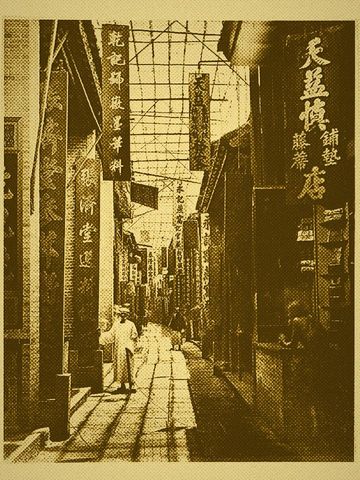 58.com (WUBA)
58.com let people in China find a plumber, an apartment, a used car or a job from local listings.
Read the S-1 →October 31, 2013
 Criteo (CRTO)
Criteo showed shoppers ads for the exact products they had looked at and left behind.
Read the S-1 →October 30, 2013
 Endurance International (EIGI)
Endurance hosted websites for millions of small businesses under brands like Bluehost and HostGator.
Read the S-1 →October 25, 2013
 Veeva (VEEV)
Veeva built cloud software for drug makers alone, covering sales calls, clinical trials and regulatory work.
Read the S-1 →October 16, 2013
 RingCentral (RNG)
RingCentral let businesses run their phone system from the cloud for a monthly fee, with no hardware.
Read the S-1 →September 27, 2013
 Violin Memory (VMEM)
Violin Memory sold all-flash storage arrays that made databases run much faster than spinning disks.
Read the S-1 →September 27, 2013
 Applied Optoelectronics (AAOI)
Applied Optoelectronics makes the lasers and optical parts that move data through data centers and cable TV networks.
Read the S-1 →September 26, 2013
 FireEye (FEYE)
FireEye caught hackers' newest attacks by opening suspicious files in a safe virtual machine and watching what happened.
Read the S-1 →September 20, 2013
 Rocket Fuel (FUEL)
Rocket Fuel used machine learning to decide, in real time, which online ads to buy for advertisers.
Read the S-1 →September 19, 2013
 Benefitfocus (BNFT)
Benefitfocus ran cloud software where employees, employers and insurers shopped for, signed up for and managed benefits.
Read the S-1 →September 18, 2013
 Control4 (CTRL)
Control4 let homeowners run their lights, music, TVs, locks and thermostats from one remote or phone.
Read the S-1 →August 2, 2013
 RetailMeNot (SALE)
RetailMeNot found shoppers a working coupon code before they paid, and charged stores a cut of the sale.
Read the S-1 →July 19, 2013
 Tremor Video (TRMR)
Tremor Video sold and measured the video ads that play before online clips, for brands and their agencies.
Read the S-1 →June 27, 2013
 CDW (CDW)
CDW sells computers, software and IT services to businesses, schools, hospitals and governments without big IT staffs.
Read the S-1 →June 26, 2013
 Luxoft (LXFT)
Luxoft wrote complex software for banks, carmakers and tech firms using engineers across Russia, Ukraine, Romania and Poland.
Read the S-1 →June 26, 2013
 Gogo (GOGO)
Gogo let airline passengers get online in the air, then turned to serving private and business jets.
Read the S-1 →June 20, 2013
 Gigamon (GIMO)
Gigamon copied network traffic and sent it to the security and monitoring tools that needed to see it.
Read the S-1 →June 12, 2013
 LightInTheBox (LITB)
LightInTheBox sold Chinese-made dresses, gadgets and home goods straight to shoppers around the world.
Read the S-1 →June 6, 2013
 ChannelAdvisor (ECOM)
ChannelAdvisor let retailers and brands list and sell their products on Amazon, eBay, Google and hundreds of other channels.
Read the S-1 →May 23, 2013
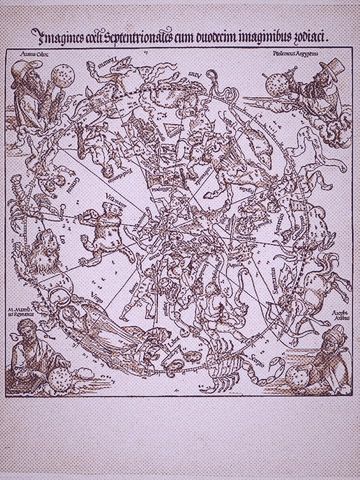 Tableau (DATA)
Tableau let ordinary office workers turn a spreadsheet into a chart by dragging and dropping, with no code.
Read the S-1 →May 16, 2013
 Marketo (MKTO)
Marketo told marketers which people were ready to buy, and sent each one the right email at the right time.
Read the S-1 →May 16, 2013
 Qiwi (QIWI)
Qiwi let Russians pay phone bills, loans and online purchases in cash at a kiosk on the corner.
Read the S-1 →May 3, 2013
 Blackhawk Network (HAWK)
Blackhawk Network put gift cards for hundreds of brands on the racks of grocery and drug stores.
Read the S-1 →April 19, 2013
 Intelsat (I)
Intelsat runs a fleet of communications satellites that carry TV channels, airline Wi-Fi, and military and corporate networks.
Read the S-1 →April 18, 2013
 EVERTEC (EVTC)
EVERTEC runs the ATM and debit network and card processing behind much of Puerto Rico's daily spending.
Read the S-1 →April 15, 2013
 Rally Software (RALY)
Rally gave software teams a shared online board to plan and track their work in short, fast cycles.
Read the S-1 →April 12, 2013
 Marin Software (MRIN)
Marin gave advertisers and agencies one place to manage, measure and tune their search, social and display ads.
Read the S-1 →March 22, 2013
 Model N (MODN)
Model N let drug and chip makers track the prices, contracts and rebates that decide what they actually earn.
Read the S-1 →March 20, 2013
 YY (JOYY) (JOYY)
YY ran live voice and video rooms in China where people sang, played games and bought virtual gifts for performers.
Read the S-1 →November 21, 2012
 Ruckus Wireless (RKUS)
Ruckus built Wi-Fi gear with smart antennas that steered the signal toward each device for stronger, steadier connections.
Read the S-1 →November 16, 2012
 Workday (WDAY)
Workday moved the payroll, hiring, and staff records of big companies off their own servers and into the cloud.
Read the S-1 →October 11, 2012
 Shutterstock (SSTK)
Shutterstock sold stock photos, illustrations and video clips for a flat subscription instead of a price per picture.
Read the S-1 →October 11, 2012
 Ambarella (AMBA)
Ambarella designs the chips that turn raw camera images into sharp, compact video, from action cameras to cars.
Read the S-1 →October 10, 2012
 Fleetmatics (FLTX)
Fleetmatics showed small businesses where their trucks and vans were, how fast they drove, and how much fuel they burned.
Read the S-1 →October 5, 2012
 LifeLock (LOCK)
LifeLock watched for signs that someone was using your name and credit, and promised to fix it if they did.
Read the S-1 →October 3, 2012
 Qualys (QLYS)
Qualys scanned company networks for security holes from the cloud, so nobody had to install scanning software.
Read the S-1 →September 28, 2012
 Trulia (TRLA)
Trulia let home buyers search listings on a map, and see the neighborhood before they called an agent.
Read the S-1 →September 19, 2012
 ExactTarget (ET)
ExactTarget gave marketers software to send, track and tune email, text and social campaigns to their customers.
Read the S-1 →September 12, 2012
 Eloqua (ELOQ)
Eloqua let marketers track every prospect's clicks and emails, then hand the warmest leads to sales.
Read the S-1 →August 2, 2012
 E2open (EOPN)
E2open connected big manufacturers with their suppliers, shippers and contract factories on one cloud network.
Read the S-1 →July 26, 2012
 KAYAK (KYAK)
KAYAK let travelers compare flights, hotels and rental cars from hundreds of booking sites in one search.
Read the S-1 →July 19, 2012
 Palo Alto Networks (PANW)
Palo Alto Networks built firewalls that could tell which app was talking, so companies could block the risky ones.
Read the S-1 →July 19, 2012
 ServiceNow (NOW)
ServiceNow gave companies one cloud platform to track IT fixes, then HR, customer service and security work.
Read the S-1 →June 28, 2012
 Facebook (FB)
Facebook connected people with their real friends and family online, and later bought Instagram and WhatsApp.
Read the S-1 →May 17, 2012
 Infoblox (BLOX)
Infoblox made the boxes and software that give every device on a network its address and name.
Read the S-1 →April 19, 2012
 Proofpoint (PFPT)
Proofpoint kept spam, phishing and malware out of company inboxes, and kept sensitive data from leaking out.
Read the S-1 →April 19, 2012
 Splunk (SPLK)
Splunk let engineers search the logs their machines spit out, so they could find what broke and why.
Read the S-1 →April 18, 2012
 Enphase Energy (ENPH)
Enphase made small inverters that sit under each solar panel, turning sunlight into household power more safely and reliably.
Read the S-1 →March 30, 2012
 CafePress (PRSS)
CafePress let anyone sell T-shirts, mugs and posters with their own designs, printed only when ordered.
Read the S-1 →March 28, 2012
 Millennial Media (MM)
Millennial Media placed ads for brands inside phone apps and mobile websites, using data to target users.
Read the S-1 →March 28, 2012
 Vipshop (VIPS)
Vipshop sold discounted brand-name clothes and goods in short online flash sales to Chinese shoppers.
Read the S-1 →March 23, 2012
 Vantiv (Worldpay) (VNTV)
Vantiv moved the money every time a shopper swiped a card at a store, a gas pump or a website.
Read the S-1 →March 22, 2012
 MACOM (MTSI)
MACOM designs analog chips that move radio, microwave and fiber-optic signals through networks, radars and satellites.
Read the S-1 →March 15, 2012
 Demandware (DWRE)
Demandware ran the online stores of big retail and consumer brands from the cloud, for a cut of sales.
Read the S-1 →March 14, 2012
 Yelp (YELP)
Yelp let people read and write reviews of local businesses, from restaurants and salons to plumbers.
Read the S-1 →March 1, 2012
 Bazaarvoice (BV)
Bazaarvoice collected customer ratings and reviews and showed them on retail and brand websites.
Read the S-1 →February 23, 2012
 Brightcove (BCOV)
Brightcove gave media companies and brands the tools to host, play and make money from video on their own sites.
Read the S-1 →February 17, 2012
 Synacor (SYNC)
Synacor built the home pages, email and logins that cable and internet companies gave customers under their own brands.
Read the S-1 →February 9, 2012
 EPAM (EPAM)
EPAM rented out skilled software engineers from Eastern Europe to build and test products for Western companies.
Read the S-1 →February 9, 2012
 AVG (AVG)
AVG gave away antivirus software to millions of people, then sold upgrades to the ones who wanted more.
Read the S-1 →February 2, 2012
 Guidewire (GWRE)
Guidewire sold insurers modern software to write policies, pay claims and send bills, replacing their aging core systems.
Read the S-1 →January 25, 2012
 Zynga (ZNGA)
Zynga made free social games like FarmVille and Zynga Poker, then became a major mobile game publisher.
Read the S-1 →December 15, 2011
 Jive Software (JIVE)
Jive gave big companies their own private social networks, where employees shared ideas and found each other's work.
Read the S-1 →December 13, 2011
 Angie's List (ANGI)
Angie's List sold memberships that let homeowners read trusted reviews of plumbers, roofers, doctors and other local services.
Read the S-1 →November 17, 2011
 InvenSense (INVN)
InvenSense made tiny motion sensors that let game controllers, phones and cameras know how they were moving.
Read the S-1 →November 16, 2011
 Groupon (GRPN)
Groupon emailed millions of people one half-price local deal a day, unlocked once enough of them bought it.
Read the S-1 →November 3, 2011
 Ubiquiti (UI)
Ubiquiti sold low-cost wireless gear that let small operators bring broadband to places big carriers skipped.
Read the S-1 →October 14, 2011
 Tudou (TUDO)
Tudou let Chinese internet users upload, share and watch videos on one of the country's first video sites.
Read the S-1 →August 17, 2011
 Carbonite (CARB)
Carbonite let ordinary people stop worrying about a dead hard drive, for one flat yearly price.
Read the S-1 →August 10, 2011
 Zillow (Z)
Zillow let anyone see what a home was worth, including their own and their neighbor's.
Read the S-1 →July 19, 2011
 HomeAway (AWAY)
HomeAway let families find a beach house or a cabin for the week without a stack of classified ads.
Read the S-1 →June 28, 2011
 Pandora (P)
Pandora played you a free radio station built around one song you loved, then found more music like it.
Read the S-1 →June 14, 2011
 Fusion-io (FIO)
Fusion-io put flash memory right inside servers, so busy websites stopped waiting on spinning disks.
Read the S-1 →June 9, 2011
 Active Network (ACTV)
Active Network ran the online sign-ups for races, campsites, sports leagues, fishing licenses and conferences.
Read the S-1 →May 25, 2011
 LinkedIn (LNKD)
LinkedIn let people keep their résumé online, so the next job could come looking for them.
Read the S-1 →May 18, 2011
 Jiayuan (DATE)
Jiayuan gave China's urban singles a place to find someone to marry, through a dating website built on trust and serious intent.
Read the S-1 →May 12, 2011
 Phoenix New Media (ifeng) (FENG)
Phoenix New Media ran ifeng.com, a Chinese news portal born from the Hong Kong broadcaster Phoenix TV.
Read the S-1 →May 12, 2011
 FriendFinder Networks (FFN)
FriendFinder ran dozens of paid dating and adult sites, plus Penthouse, and went public carrying heavy debt.
Read the S-1 →May 11, 2011
 Renren (RENN)
Renren gave Chinese college students one place to post photos, share news and find their friends.
Read the S-1 →May 5, 2011
 Boingo (WIFI)
Boingo got travelers online at the airport gate, then built wireless networks for stadiums and military bases.
Read the S-1 →May 3, 2011
 Responsys (MKTG)
Responsys let big brands send millions of personal marketing emails and texts, and track who responded.
Read the S-1 →April 21, 2011
 21Vianet (VNET) (VNET)
21Vianet ran data centers across China that any network or company could plug into.
Read the S-1 →April 21, 2011
 Sequans (SQNS)
Sequans designed the radio chips that let phones, hotspots, and connected devices talk to 4G wireless networks.
Read the S-1 →April 15, 2011
 Ellie Mae (ELLI)
Ellie Mae let lenders close home loans in software instead of by fax and courier.
Read the S-1 →April 14, 2011
 Qihoo 360 (QIHU)
Qihoo 360 gave China free antivirus software, then earned its money from the browser and search box it shipped alongside.
Read the S-1 →March 30, 2011
 NeoPhotonics (NPTN)
NeoPhotonics made the optical chips and modules that push internet traffic through fiber networks as pulses of light.
Read the S-1 →February 2, 2011
 Demand Media (DMD)
Demand Media paid freelancers to write the how-to articles people were searching for, then sold ads beside them.
Read the S-1 →January 26, 2011
 GAIN Capital (GCAP)
GAIN Capital let ordinary people trade dollars, euros and yen from home, at any hour.
Read the S-1 →December 15, 2010
 Corpay (CPAY)
FleetCor, now Corpay, gave trucking and delivery fleets fuel cards that let managers control what drivers spent.
Read the S-1 →December 15, 2010
 Dangdang (DANG)
Dangdang sold books to Chinese readers online, then grew into a general store shipped to the door.
Read the S-1 →December 8, 2010
 Youku (YOKU)
Youku gave Chinese viewers a free place to stream TV shows, films and homemade videos.
Read the S-1 →December 8, 2010
 Bitauto (BITA)
Bitauto let Chinese car buyers research new cars online and gave dealers software to reach them.
Read the S-1 →November 17, 2010
 Inphi (IPHI)
Inphi made high-speed analog chips that moved data quickly and cleanly between memory, servers and optical networks.
Read the S-1 →November 12, 2010
 NetSpend (NTSP)
NetSpend sold reloadable prepaid debit cards to people who lived without a regular bank account.
Read the S-1 →October 19, 2010
 ChinaCache (CCIH)
ChinaCache stored copies of websites and videos on servers across China so pages loaded fast for users everywhere.
Read the S-1 →October 1, 2010
 SouFun (SFUN)
SouFun ran China's leading real estate website, where home buyers searched listings and developers paid to reach them.
Read the S-1 →September 17, 2010
 RealPage (RP)
RealPage sold landlords software to run apartment buildings, from screening tenants to setting rents.
Read the S-1 →August 12, 2010
 IntraLinks (IL)
IntraLinks gave bankers and lawyers secure online rooms to share confidential deal documents.
Read the S-1 →August 6, 2010
 NXP (NXPI)
NXP makes the chips inside car systems, contactless cards and phones, spun out of the Dutch electronics giant Philips.
Read the S-1 →August 6, 2010
 Envestnet (ENV)
Envestnet gave independent financial advisers the tools the big brokerages had, so they could compete on their own.
Read the S-1 →July 28, 2010
 Green Dot (GDOT)
Green Dot sold prepaid debit cards at Walmart and drugstores to people who did not have, or want, a bank.
Read the S-1 →July 22, 2010
 RealD (RLD)
RealD put 3D on movie theater screens and handed audiences the glasses to see it.
Read the S-1 →July 16, 2010
 Qlik (QLIK)
Qlik let ordinary business people click through their company's data and find answers without waiting on IT.
Read the S-1 →July 16, 2010
 SMART Technologies (SMT)
SMART put touch-screen whiteboards in classrooms, so teachers could write, tap and drag lessons on the wall.
Read the S-1 →July 15, 2010
 AutoNavi (AMAP)
AutoNavi drew the digital maps of China that car navigation systems and phone apps used to find their way.
Read the S-1 →July 1, 2010
 Tesla (TSLA)
Tesla made electric cars that people wanted to drive fast, then pushed the whole car industry toward batteries.
Read the S-1 →June 28, 2010
 Fabrinet (FN)
Fabrinet builds the precise optical parts that move data through the fiber networks other companies design.
Read the S-1 →June 25, 2010
 BroadSoft (BSFT)
BroadSoft sold phone companies the software to run business phone and video calling over the internet.
Read the S-1 →June 16, 2010
 ReachLocal (RLOC)
ReachLocal got plumbers, dentists and restaurants found on Google without making them learn how search ads work.
Read the S-1 →May 19, 2010
 Convio (CNVO)
Convio let charities collect donations, send email and stay close to supporters over the internet.
Read the S-1 →April 29, 2010

Alpha and Omega designs power chips that move electricity efficiently inside laptops, phones, TVs and servers.
Read the S-1 →April 29, 2010
 SPS Commerce (SPSC)
SPS Commerce connected suppliers to the retailers they sold to, so orders, invoices and shipping notices flowed automatically.
Read the S-1 →April 22, 2010
 SS&C Technologies (SSNC)
SS&C sold software and services that ran the trading, accounting and reporting behind investment firms.
Read the S-1 →March 31, 2010
 MaxLinear (MXL)
MaxLinear made tiny radio chips that let TVs, set-top boxes and phones pick up broadcast and cable signals.
Read the S-1 →March 24, 2010
 Calix (CALX)
Calix sells small and rural internet providers the equipment and software to bring fiber broadband to homes.
Read the S-1 →March 24, 2010
 Financial Engines (FNGN)
Financial Engines told workers how to invest their 401(k) savings, and for a fee managed the money itself.
Read the S-1 →March 15, 2010
 QuinStreet (QNST)
QuinStreet found people shopping for a degree, a policy or a loan, and sold their interest to companies.
Read the S-1 →February 10, 2010
 Fortinet (FTNT)
Fortinet sold one network box that did the work of a firewall, antivirus, and intrusion blocker together.
Read the S-1 →November 18, 2009
 Ancestry (ACOM)
Ancestry let families trace their roots from home, using billions of scanned historical records.
Read the S-1 →November 5, 2009
 Shanda Games (GAME)
Shanda Games ran online fantasy worlds that Chinese players logged into for years, starting with Legend of Mir II.
Read the S-1 →September 28, 2009
 Vitacost (VITC)
Vitacost sold vitamins and supplements online for less than the health food store down the street.
Read the S-1 →September 23, 2009
 Avago (AVGO)
Avago made the analog and wireless chips inside phones and networks, then bought its way into becoming Broadcom.
Read the S-1 →August 6, 2009
 LogMeIn (LOGM)
LogMeIn let people reach their own computers from anywhere, and let IT staff fix machines without a visit.
Read the S-1 →July 1, 2009
 Medidata (MDSO)
Medidata ran clinical trials in the cloud, replacing the paper forms drug companies used to collect patient data.
Read the S-1 →June 25, 2009
 OpenTable (OPEN)
OpenTable let diners book a restaurant table online in seconds, at any hour.
Read the S-1 →May 21, 2009
 SolarWinds (SWI)
SolarWinds sold IT administrators cheap, downloadable tools that warned them when their networks broke.
Read the S-1 →May 19, 2009
 Rosetta Stone (RST)
Rosetta Stone taught languages through software that used pictures and immersion instead of grammar drills and translation.
Read the S-1 →April 16, 2009
 Changyou (CYOU)
Changyou ran online role-playing games for millions of Chinese players, led by the martial arts epic Tian Long Ba Bu.
Read the S-1 →April 2, 2009
 Rackspace (RAX)
Rackspace ran companies' servers for them and answered the phone, day or night, when something broke.
Read the S-1 →August 7, 2008
 ArcSight (ARST)
ArcSight gathered security alerts and logs from across a company's network and spotted the attacks hiding in them.
Read the S-1 →February 14, 2008
 NetSuite (N)
NetSuite let growing companies run their books, orders and inventory in a web browser.
Read the S-1 →December 19, 2007
 K12 (LRN)
K12 let kids take a full public school course load from home, with certified teachers online.
Read the S-1 →December 12, 2007
 Entropic (ENTR)
Entropic made chips that sent video between rooms over the coaxial cable already inside homes.
Read the S-1 →December 7, 2007
 SuccessFactors (SFSF)
SuccessFactors put employee goals, reviews and pay decisions online, so managers could see how their people were doing.
Read the S-1 →November 20, 2007
 Internet Brands (INET)
Internet Brands ran hundreds of small websites and forums, each built for one loyal crowd.
Read the S-1 →November 16, 2007
 3PAR (PAR)
3PAR built storage arrays that let big companies and web firms share disk space flexibly, like a utility.
Read the S-1 →November 16, 2007
 American Public Education (APEI)
American Public Education let soldiers and veterans earn a degree online from wherever they were posted.
Read the S-1 →November 8, 2007
 SoundBite (SDBT)
SoundBite let banks and utilities send reminder calls, texts and emails without owning any call center equipment.
Read the S-1 →November 1, 2007
 Giant Interactive (GA)
Giant Interactive gave Chinese gamers a vast online war for free, then sold them the weapons to win it.
Read the S-1 →November 1, 2007
 Longtop Financial (LFT)
Longtop sold software and IT services to Chinese banks, until its auditor said the books were false.
Read the S-1 →October 24, 2007
 Maxcom (MXT)
Maxcom gave Mexican homes and small businesses an alternative to Telmex for phone, internet and TV.
Read the S-1 →October 18, 2007
 Virgin Mobile USA (VM)
Virgin Mobile USA sold no-contract cell phone plans to young people, using Sprint's network and Richard Branson's brand.
Read the S-1 →October 11, 2007
 Compellent (CML)
Compellent sold smart, easy storage networks that let midsize companies keep and protect huge amounts of data.
Read the S-1 →October 10, 2007
 Constant Contact (CTCT)
Constant Contact let a florist, a dentist or a church send a good-looking email newsletter without hiring help.
Read the S-1 →October 2, 2007
 athenahealth (ATHN)
athenahealth took over the billing headaches of doctors' offices and got their insurance claims paid faster.
Read the S-1 →September 20, 2007
 VMware (VMW)
VMware let one server act like many, so companies could do more work with fewer machines.
Read the S-1 →August 13, 2007
 MercadoLibre (MELI)
MercadoLibre let people across Latin America buy and sell online and trust strangers with their money.
Read the S-1 →August 9, 2007
 DemandTec (DMAN)
DemandTec helped big retailers set prices, promotions and markdowns using data on how shoppers actually behave.
Read the S-1 →August 9, 2007
 HireRight (HIRE)
HireRight let big employers check a job candidate's record with a click instead of a stack of paperwork.
Read the S-1 →August 7, 2007
 Virtusa (VRTU)
Virtusa wrote and maintained software for big banks and phone companies, with engineers in Sri Lanka and India.
Read the S-1 →August 3, 2007
 Genpact (G)
Genpact ran finance, claims and other back-office work for big companies from India and other low-cost centers.
Read the S-1 →August 2, 2007
 Perfect World (PWRD)
Perfect World built its own 3D game engine and online fantasy games, then sold them in China and abroad.
Read the S-1 →July 27, 2007
 BladeLogic (BLOG)
BladeLogic automated the chores of running thousands of data center servers, from setup to patches to audits.
Read the S-1 →July 25, 2007
 Monotype (TYPE)
Monotype licensed the fonts that printers, phones, cars and software used to put words on screens and pages.
Read the S-1 →July 24, 2007
 Airvana (AIRV)
Airvana built the software and gear that let cell networks carry fast internet to phones and laptops.
Read the S-1 →July 20, 2007
 Orbitz (OWW)
Orbitz let travelers compare fares and book flights, hotels and packages in one fast search.
Read the S-1 →July 19, 2007
 Netezza (NZ)
Netezza sold ready-made machines that let companies search mountains of data much faster than older systems.
Read the S-1 →July 19, 2007
 Dice (DHX)
Dice let tech workers find their next job, and let employers search for the résumés they needed.
Read the S-1 →July 17, 2007
 ShoreTel (SHOR)
ShoreTel sold business phone systems that ran over a company's computer network instead of old phone wiring.
Read the S-1 →July 3, 2007
 Spreadtrum (SPRD)
Spreadtrum designed the main chips for low-cost mobile phones, many of them built in China.
Read the S-1 →June 28, 2007
 Data Domain (DDUP)
Data Domain shrank company backups by keeping one copy of repeated data, so disks could replace tape.
Read the S-1 →June 27, 2007
 Comscore (SCOR)
Comscore told websites and advertisers how many people visited, and what those people did online.
Read the S-1 →June 26, 2007
 Limelight Networks (LLNW)
Limelight delivered video streams, downloads and web pages fast to people anywhere in the world.
Read the S-1 →June 7, 2007
 Infinera (INFN)
Infinera packed dozens of optical parts onto one chip, making long-distance fiber networks cheaper and simpler to run.
Read the S-1 →June 7, 2007
 Starent Networks (STAR)
Starent built the gear that let wireless carriers move internet traffic to and from millions of phones.
Read the S-1 →June 6, 2007
 TechTarget (TTGT)
TechTarget gave IT buyers free research, and told tech vendors who was reading it.
Read the S-1 →May 16, 2007
 Interactive Brokers (IBKR)
Interactive Brokers gave traders cheap, automated access to more than 60 exchanges around the world.
Read the S-1 →May 4, 2007
 Cavium (CAVM)
Cavium designed processors that let network gear move and secure traffic at high speed.
Read the S-1 →May 2, 2007
 Veraz Networks (VRAZ)
Veraz Networks sold phone carriers the gear to carry voice calls over the internet for less.
Read the S-1 →April 4, 2007
 Supermicro (SMCI)
Supermicro built the server boards and racks that data centers filled with chips, and later with AI.
Read the S-1 →March 29, 2007
 Aruba Networks (ARUN)
Aruba let hospitals, universities and offices run thousands of secure Wi-Fi connections from one place.
Read the S-1 →March 26, 2007
 Glu Mobile (GLUU)
Glu made games for mobile phones, from Monopoly to Diner Dash, sold through phone carriers.
Read the S-1 →March 22, 2007
 BigBand Networks (BBND)
BigBand sold cable companies the gear to squeeze more TV channels and faster internet through their networks.
Read the S-1 →March 15, 2007
 Clearwire (CLWR)
Clearwire sold fast wireless internet to homes and laptops before 4G phones made it ordinary.
Read the S-1 →March 8, 2007
 Switch & Data (SDXC)
Switch & Data rented space where rival networks plugged into each other, without taking sides.
Read the S-1 →February 9, 2007
 U.S. Auto Parts (PRTS)
U.S. Auto Parts sold replacement car parts online for well below what dealers and repair shops charged.
Read the S-1 →February 8, 2007
 Mellanox (MLNX)
Mellanox made the chips and switches that let thousands of servers trade data with almost no delay.
Read the S-1 →February 8, 2007
 Isilon (ISLN)
Isilon built storage systems that held huge video and media files and grew by adding another box.
Read the S-1 →December 15, 2006
 Double-Take Software (DBTK)
Double-Take kept a live copy of a company's servers elsewhere, so work could continue when disaster struck.
Read the S-1 →December 15, 2006
 IPG Photonics (IPGP)
IPG Photonics makes fiber lasers that cut, weld and mark metal in factories around the world.
Read the S-1 →December 13, 2006
 Capella Education (CPLA)
Capella let working adults earn master's and doctoral degrees online, on their own schedule.
Read the S-1 →November 9, 2006
 ORBCOMM (ORBC)
ORBCOMM used small low-orbit satellites to send short data messages from trucks, ships and machines anywhere on Earth.
Read the S-1 →November 3, 2006
 Globalstar (GSAT)
Globalstar ran a fleet of low satellites that let people call and text from places with no cell towers.
Read the S-1 →November 3, 2006
 Acme Packet (APKT)
Acme Packet made the boxes that let internet phone calls pass safely between carriers' networks.
Read the S-1 →October 12, 2006
 eHealth (EHTH)
eHealth let people who bought their own health insurance compare plans and prices online.
Read the S-1 →October 12, 2006
 Shutterfly (SFLY)
Shutterfly turned the digital photos piling up on people's computers into prints, books and holiday cards.
Read the S-1 →September 28, 2006
 DivX (DIVX)
DivX squeezed full-length movies small enough to download, and got its format built into millions of DVD players.
Read the S-1 →September 22, 2006
 CommVault (CVLT)
CommVault let big organizations back up, archive and recover all their data from one system.
Read the S-1 →September 21, 2006
 Riverbed (RVBD)
Riverbed made files and applications open quickly in branch offices far from the company's data center.
Read the S-1 →September 20, 2006
 Omniture (OMTR)
Omniture showed online stores where their visitors came from, what they did and what they bought.
Read the S-1 →June 27, 2006
 Synchronoss (SNCR)
Synchronoss ran the software that signed up and switched on customers for phone and cable companies.
Read the S-1 →June 15, 2006
 LoopNet (LOOP)
LoopNet let brokers, buyers and tenants find offices, shops and warehouses for sale or lease online.
Read the S-1 →June 6, 2006
 Vonage (VG)
Vonage let people keep their phone number and call anywhere in the country for one flat monthly fee.
Read the S-1 →May 23, 2006
 Liquidity Services (LQDT)
Liquidity Services sold surplus and returned goods online, from retailers' extra stock to government vehicles.
Read the S-1 →February 22, 2006
 NightHawk Radiology (NHWK)
NightHawk let small radiology groups sleep through the night while doctors abroad read their emergency scans.
Read the S-1 →February 8, 2006
 Traffic.com (TRFC)
Traffic.com told drivers where the jams were, live, on the radio, the web and the car's navigation screen.
Read the S-1 →January 25, 2006
 DealerTrack (TRAK)
DealerTrack let car dealers send a buyer's credit application to many lenders at once and hear back in minutes.
Read the S-1 →December 12, 2005
 Vocus (VOCS)
Vocus gave public relations teams one place online to find reporters, send releases and track coverage.
Read the S-1 →December 6, 2005
 SunPower (SPWR)
SunPower made high-efficiency solar cells and panels that squeezed more power from every square foot of roof.
Read the S-1 →November 17, 2005
 Vimicro (VIMC)
Vimicro designed the processors inside PC webcams, from a base in Beijing.
Read the S-1 →November 15, 2005
 Taleo (TLEO)
Taleo gave big employers web software to post jobs, sort applicants and manage hiring from one place.
Read the S-1 →September 29, 2005
 WebMD (WBMD)
WebMD explained conditions, drugs and treatments in plain language to anyone who searched their symptoms.
Read the S-1 →September 28, 2005
 TRX (TRXI)
TRX handled the routine work behind business trips, so travel agencies and corporations did not have to.
Read the S-1 →September 27, 2005

Heartland processed card payments for restaurants and small shops, and promised them fair, plain pricing.
Read the S-1 →August 11, 2005
 Baidu (BIDU)
Baidu built the search engine most people in China used to find things on the web.
Read the S-1 →August 5, 2005
 Eschelon Telecom (ESCH)
Eschelon gave small businesses in the West and Midwest one local provider for phones and internet.
Read the S-1 →August 4, 2005
 Unica (UNCA)
Unica sold software that let marketers plan, target and measure their campaigns, from direct mail to email.
Read the S-1 →August 3, 2005
 Hittite Microwave (HITT)
Hittite designed the chips that send and receive high-frequency radio signals in radios, radar, satellites and test gear.
Read the S-1 →July 22, 2005
 Focus Media (FMCN)
Focus Media put flat-screen ads beside the elevators of China's office towers, where bored workers had nothing else to watch.
Read the S-1 →July 13, 2005
 Silicon Motion (SIMO)
Silicon Motion designed the controller chips that make flash memory cards and USB drives work.
Read the S-1 →July 1, 2005
 Neustar (NSR)
Neustar kept your phone number working when you switched carriers, as the neutral referee between rival networks.
Read the S-1 →June 29, 2005
 Rackable Systems (SGI) (RACK)
Rackable built dense, cool-running servers for giant data centers, then bought Silicon Graphics and took its name.
Read the S-1 →June 10, 2005
 VeriFone (PAY)
VeriFone made the card terminals on store counters, so any shop could take credit and debit cards.
Read the S-1 →April 29, 2005
 Fastclick (FSTC)
Fastclick placed ads across thousands of small and mid-size websites and paid the site owners a share.
Read the S-1 →April 1, 2005
 Dolby (DLB)
Dolby made the sound technology that kept tapes, films and phones clear, and charged a small fee on each device.
Read the S-1 →February 17, 2005
 Syniverse (SVR)
Syniverse passed calls, texts and roaming bills between rival mobile carriers, so phones worked across networks.
Read the S-1 →February 10, 2005
Valor ran local phone service in rural Texas, Oklahoma, New Mexico and Arkansas, and paid investors a large dividend.
Read the S-1 →February 10, 2005
 optionsXpress (OXPS)
optionsXpress let everyday investors trade stock options online for low fees, with tools once kept for professionals.
Read the S-1 →January 26, 2005
 Arbinet (ARBX)
Arbinet let phone carriers buy and sell routes for international calls on one exchange, without private deals.
Read the S-1 →December 16, 2004
 The9 (NCTY)
The9 ran online games for Chinese players, most famously World of Warcraft, before turning to bitcoin mining.
Read the S-1 →December 15, 2004
 HouseValues (SOLD)
HouseValues told homeowners what their houses were worth for free, then sold their names to local agents.
Read the S-1 →December 9, 2004
 Ninetowns (NINE)
Ninetowns let Chinese exporters and importers file inspection and quarantine forms online instead of on paper.
Read the S-1 →December 2, 2004
 Monolithic Power Systems (MPWR)
Monolithic Power Systems makes chips that manage and convert power inside laptops, servers, cars, and phones.
Read the S-1 →November 19, 2004
 InPhonic (INPC)
InPhonic let shoppers compare cell phones and plans online, often with the phone thrown in free.
Read the S-1 →November 16, 2004
 China Netcom (CN)
China Netcom ran the phone lines and broadband in northern China, from Beijing to Liaoning.
Read the S-1 →November 12, 2004
 MarketAxess (MKTX)
MarketAxess let big investors trade corporate bonds on a screen, asking many dealers for prices at once.
Read the S-1 →November 4, 2004
 eLong (LONG)
eLong let Chinese travelers book hotel rooms and flights through a call center and a website.
Read the S-1 →October 29, 2004
 PlanetOut (LGBT)
PlanetOut gave gay, lesbian, bisexual and transgender people a place online to find news and each other.
Read the S-1 →October 13, 2004
 WebSideStory (WSSI)
WebSideStory told website owners who was visiting, where they came from and what they did once there.
Read the S-1 →September 28, 2004
 eCOST (ECST)
eCOST.com sold cheap computers, cameras and closeouts online, in deals that vanished when stock ran out.
Read the S-1 →August 27, 2004
 Google (GOOG)
Google let anyone type a question into a plain white box and find the right page in under a second.
Read the S-1 →August 18, 2004
 RightNow (RNOW)
RightNow let companies answer customer questions by web, email and phone, with software rented over the internet.
Read the S-1 →August 5, 2004
 Volterra (VLTR)
Volterra made power chips that fed precise, steady voltage to processors in servers, networking gear and storage systems.
Read the S-1 →July 29, 2004
 LG Display (LPL)
LG.Philips LCD made the thin glass panels inside the monitors, laptops and TVs that replaced bulky tube screens.
Read the S-1 →July 16, 2004
 Greenfield Online (SRVY)
Greenfield Online let brands and researchers survey the right people online in days instead of weeks.
Read the S-1 →July 15, 2004
 NetLogic Microsystems (NETL)
NetLogic made the chips that let routers decide in an instant where each packet of internet traffic should go.
Read the S-1 →July 12, 2004
 KongZhong (KONG)
KongZhong sold text-message news, ringtones, pictures, and games to China's mobile phone users through the carriers.
Read the S-1 →July 9, 2004
 Salesforce (CRM)
Salesforce let sales teams track every customer in a web browser, with nothing to install and a monthly bill.
Read the S-1 →June 22, 2004
 Blackboard (BBBB)
Blackboard gave colleges one website where professors posted syllabi, readings, and grades, and students turned in work.
Read the S-1 →June 18, 2004
 Blue Nile (NILE)
Blue Nile let people shop for diamonds online, with grades and prices in the open, for less.
Read the S-1 →May 19, 2004
 Shanda (SNDA)
Shanda ran China's most popular online game and turned millions of internet cafe players into paying customers.
Read the S-1 →May 13, 2004
 SiRF (SIRF)
SiRF made the cheap, low-power GPS chips that put turn-by-turn navigation into cars, handhelds and phones.
Read the S-1 →April 22, 2004
 PalmSource (PSRC)
PalmSource made Palm OS, the software inside Palm handhelds, and licensed it to Sony, Samsung, Garmin and others.
Read the S-1 →April 2, 2004
 Marchex (MCHX)
Marchex sold search ads for merchants, then built software that analyzes the phone calls those ads produce.
Read the S-1 →March 31, 2004
 SMIC (SMI)
SMIC made chips to order for designers around the world, from factories in Shanghai.
Read the S-1 →March 12, 2004
 TOM Online (TOMO)
TOM Online sold ringtones, games and text alerts to Chinese mobile phone users, billed through their carrier.
Read the S-1 →March 5, 2004
 ProFlowers (PRVD)
ProFlowers shipped fresh flowers in a box straight from the grower, skipping the local florist.
Read the S-1 →December 17, 2003
 Trip.com (Ctrip) (TCOM)
Ctrip let Chinese travelers book hotel rooms and plane tickets by phone or online, at a time when few could.
Read the S-1 →December 9, 2003
 Open Solutions (OPEN)
Open Solutions gave community banks and credit unions modern software to run their accounts and transactions.
Read the S-1 →November 25, 2003
 DTS (DTSI)
DTS made the surround sound that filled movie theaters and home theaters, starting with Jurassic Park.
Read the S-1 →November 20, 2003
 Tessera (TSRA)
Tessera invented ways to package chips smaller and licensed them to the companies that made memory and processors.
Read the S-1 →November 13, 2003
 RedEnvelope (REDE)
RedEnvelope picked upscale gifts for busy shoppers and shipped them wrapped in its signature red box.
Read the S-1 →September 24, 2003
 iPass (IPAS)
iPass gave business travelers one account to get online anywhere, by dial-up, hotel network or Wi-Fi.
Read the S-1 →July 23, 2003
 Plumtree (PLUM)
Plumtree gave each employee one web page that pulled together the company's applications and documents.
Read the S-1 →June 4, 2002
 Overstock (OSTK)
Overstock.com sold other companies' surplus goods online at deep discounts, then moved into furniture and home goods.
Read the S-1 →May 30, 2002
 Netflix (NFLX)
Netflix mailed DVD rentals with no late fees, then became the world's largest subscription streaming service.
Read the S-1 →May 23, 2002
 PayPal (PYPL)
PayPal let anyone with an email address send money online, and made it safe to pay strangers on eBay.
Read the S-1 →February 14, 2002
 BAM! Entertainment (BFUN)
BAM! Entertainment made video games starring familiar cartoon, movie and sports characters for nearly every console.
Read the S-1 →November 15, 2001
 Alliance Data (ADS)
Alliance Data ran the store credit cards and rewards programs behind familiar retail brands.
Read the S-1 →June 7, 2001
 Instinet (INET)
Instinet let big investors trade stocks directly by computer, privately and even after the exchanges closed.
Read the S-1 →May 17, 2001
 Riverstone Networks (RSTN)
Riverstone made fast routers that let telecom carriers run Ethernet across a city, linking offices and data centers.
Read the S-1 →February 15, 2001
 Novatel Wireless (Inseego) (INSG)
Novatel Wireless made modems that put laptops on cell networks, then the MiFi hotspot that shared that connection.
Read the S-1 →November 16, 2000
 Transmeta (TMTA)
Transmeta made low-power laptop chips that used software to run Intel-style programs, for longer battery life.
Read the S-1 →November 6, 2000
 Wipro (WIT)
Wipro wrote software and ran IT projects for companies worldwide from its base in India.
Read the S-1 →October 20, 2000
 Ixia (XXIA)
Ixia built machines that flood network gear with simulated traffic, so makers could test it before customers did.
Read the S-1 →October 18, 2000
 Synplicity (SYNP)
Synplicity made software that turned an engineer's written circuit description into a design for a programmable chip.
Read the S-1 →October 12, 2000

Asia Global Crossing laid undersea fiber to carry the internet's traffic between Asia's cities and across the Pacific.
Read the S-1 →October 10, 2000
 Oplink (OPLK)
Oplink made the fiber optic components and modules that let telecom gear squeeze more light through each strand.
Read the S-1 →October 5, 2000
 AvantGo (AVGO)
AvantGo loaded news and web pages onto Palm handhelds so people could read the internet away from a connection.
Read the S-1 →October 2, 2000
 Intershop (ISHP)
Intershop sold the software that let European and American companies open online stores in the early web years.
Read the S-1 →September 29, 2000
 SimpleTech (STEC) (STEC)
SimpleTech made memory modules and flash cards, then rebuilt itself as STEC to sell fast solid-state drives to data centers.
Read the S-1 →September 29, 2000
 ASE (ASX)
ASE packaged and tested chips for semiconductor companies around the world, from factories in Taiwan and across Asia.
Read the S-1 →September 27, 2000
 CoSine Communications (COSN)
CoSine built network gear that let phone carriers sell firewalls and private networks to businesses as a service.
Read the S-1 →September 25, 2000
 TTM Technologies (TTMI)
TTM made custom printed circuit boards fast, so electronics makers could test and ship new designs sooner.
Read the S-1 →September 21, 2000
 OmniSky (OMNY)
OmniSky sold a clip-on modem and a monthly plan that put email and the web on Palm handhelds.
Read the S-1 →September 21, 2000
 WJ Communications (WJCI)
WJ Communications made radio chips and parts that let wireless base stations and broadband gear carry signals.
Read the S-1 →August 18, 2000
 PeoplePC (PEOP)
PeoplePC sold a new home computer and internet access together for one monthly fee.
Read the S-1 →August 16, 2000
 Equinix (EQIX)
Equinix runs the buildings where networks, cloud providers and companies plug their equipment into each other.
Read the S-1 →August 10, 2000
 McDATA (MCDT)
McDATA built the big switches that let a company's servers reach its shared storage over one fast network.
Read the S-1 →August 9, 2000
 AOL Latin America (AOLA)
AOL Latin America brought AOL's dial-up internet service to Brazil, Mexico, Argentina and Puerto Rico.
Read the S-1 →August 7, 2000
 Microtune (TUNE)
Microtune shrank the bulky radio tuner inside TVs and cable modems down to a single chip.
Read the S-1 →August 4, 2000
 OPNET (OPNT)
OPNET's software simulated computer networks, so engineers could see how changes would perform before making them.
Read the S-1 →August 3, 2000
Western Multiplex built radio systems that beamed broadband between buildings and towers without digging up streets.
Read the S-1 →August 1, 2000
 SpeechWorks (SPWX)
SpeechWorks let callers talk to automated phone systems in plain words instead of punching buttons.
Read the S-1 →August 1, 2000
 WebEx (WEBX)
WebEx let people meet online from a web browser, sharing the same screen, slides and video.
Read the S-1 →July 27, 2000
 TyCom (TCM)
TyCom built, laid and fixed the fiber optic cables that carry the internet across the ocean floor.
Read the S-1 →July 27, 2000
 Blue Martini (BLUE)
Blue Martini sold retailers software to run their websites, call centers and mobile sales as one store.
Read the S-1 →July 25, 2000
 Evoke (EVOK)
Evoke let businesses set up their own conference calls and online meetings, with no operator in the middle.
Read the S-1 →July 24, 2000
 Corio (CRIO)
Corio let midsize companies rent big business software over the internet instead of installing it themselves.
Read the S-1 →July 21, 2000
 Support.com (SPRT)
Support.com made software and services that fixed computer problems remotely, for companies and then for consumers.
Read the S-1 →July 18, 2000
 OmniVision (OVTI)
OmniVision made the tiny image sensor chips that let phones, laptops and toys take pictures and video.
Read the S-1 →July 14, 2000
 Network Engines (NENG)
Network Engines built compact servers and appliances that other tech companies sold under their own brands.
Read the S-1 →July 13, 2000
 I-many (IMNY)
I-many let drug makers track their contracts and rebates, so they stopped losing money to errors.
Read the S-1 →July 13, 2000
 Sohu (SOHU)
Sohu gave Chinese readers a web directory, news and email in their own language, early.
Read the S-1 →July 13, 2000
 Sunrise Telecom (SRTI)
Sunrise Telecom made test gear that phone and cable technicians used to find and fix faults in their networks.
Read the S-1 →July 12, 2000
 Divine (DVIN)
divine interVentures backed and ran a network of business internet startups, then tried to remake itself as a software company.
Read the S-1 →July 12, 2000
 EXFO (EXFO)
EXFO made the instruments that tell fiber-optic engineers whether their light is getting through.
Read the S-1 →June 30, 2000
 StorageNetworks (STOR)
StorageNetworks stored and backed up companies' data in its own data centers and charged for it like a utility.
Read the S-1 →June 30, 2000
 Virage (VRGE)
Virage made software that let people search video by the words spoken, the faces seen and the scenes shown.
Read the S-1 →June 28, 2000
 Genuity (GENU)
Genuity ran one of the biggest internet backbones, carrying traffic and hosting websites for large businesses.
Read the S-1 →June 28, 2000
 Marvell (MRVL)
Marvell designed the chips that move data in and out of hard drives, networks and, later, data centers.
Read the S-1 →June 27, 2000
 Click Commerce (CKCM)
Click Commerce gave manufacturers one website to work with their dealers and distributors on orders, prices and support.
Read the S-1 →June 26, 2000
 Handspring (HAND)
Handspring made the Visor handheld and the Treo, an early phone that also ran your calendar and email.
Read the S-1 →June 21, 2000
 Rediff.com (REDF)
Rediff.com gave Indians at home and abroad free email, news, chat and online shopping in one portal.
Read the S-1 →June 15, 2000
 CrossWorlds (CWLD)
CrossWorlds connected big companies' separate software systems so an order or a customer record flowed between them.
Read the S-1 →June 2, 2000
 ONI Systems (ONIS)
ONI built optical gear that moved data as light across a city's fiber, between offices and long-haul lines.
Read the S-1 →June 1, 2000
 Sonus Networks (SONS)
Sonus built switches that let phone companies carry ordinary voice calls over internet-style data networks.
Read the S-1 →May 25, 2000
 Centillium (CTLM)
Centillium made the chips that let phone companies send DSL broadband over the copper lines already in homes.
Read the S-1 →May 23, 2000
 CoolSavings (CSAV)
CoolSavings let shoppers pick coupons online and print them at home, paid for by brands and stores.
Read the S-1 →May 19, 2000
 Pixelworks (PXLW)
Pixelworks made the chips that turn video and computer signals into sharp pictures on screens and projectors.
Read the S-1 →May 19, 2000
 iBEAM (IBEM)
iBEAM used satellites to beam streaming video and audio to servers near viewers, around the internet's traffic jams.
Read the S-1 →May 18, 2000
 New Focus (NUFO)
New Focus made lasers and optical parts that phone companies used to push more data through fiber.
Read the S-1 →May 18, 2000
 SeeBeyond (STCS)
SeeBeyond sold software that let a company's separate systems, and its partners' systems, pass data to each other.
Read the S-1 →April 28, 2000
 360networks (TSIX)
360networks laid fiber optic cable across North America, Europe and the oceans, and sold capacity to carriers.
Read the S-1 →April 21, 2000
 Embarcadero (EMBT)
Embarcadero sold database administrators software to design, tune and manage the databases companies ran on.
Read the S-1 →April 20, 2000
 Nuance (NUAN)
Nuance built the speech software that let callers say what they wanted instead of pressing buttons on a phone menu.
Read the S-1 →April 13, 2000
 HealthStream (HSTM)
HealthStream lets hospitals train and certify their staff online, and keeps the records that prove it.
Read the S-1 →April 11, 2000
 Saba (SABA)
Saba let large organizations plan, deliver and track employee training, then manage performance and talent.
Read the S-1 →April 6, 2000
 LivePerson (LPSN)
LivePerson makes chat and messaging software so companies can answer customers on their websites and apps.
Read the S-1 →April 6, 2000
 ArrowPoint (ARPT)
ArrowPoint built switches that sent each web request to the server best placed to answer it.
Read the S-1 →March 31, 2000
 ARTISTdirect (ARTD)
ARTISTdirect gave musicians a website to reach fans directly, with news, tour dates and merchandise in one place.
Read the S-1 →March 27, 2000
 Websense (WBSN)
Websense let employers decide which websites their staff could visit at work, and log the rest.
Read the S-1 →March 27, 2000
 Silicon Labs (SLAB)
Silicon Labs made mixed-signal chips that shrank modems and cell phone radios, and later the chips inside connected devices.
Read the S-1 →March 24, 2000
 eMachines (EEEE)
eMachines sold cheap home PCs to first-time buyers and hoped to earn more from ads than from hardware.
Read the S-1 →March 24, 2000
 PartsBase (PRTS)
PartsBase let airlines and repair shops search one online database for aircraft parts from thousands of suppliers.
Read the S-1 →March 22, 2000
 Caldera (CALD)
Caldera sold a business-ready version of Linux, with support and training, to companies running corporate networks.
Read the S-1 →March 21, 2000
 Caldera (SCO Group) (CALD)
Caldera sold a business-friendly version of Linux, then became SCO and sued IBM over the code.
Read the S-1 →March 21, 2000
 IGN (Snowball.com) (SNOW)
Snowball ran IGN and other websites for young people who grew up online, starting with video gamers.
Read the S-1 →March 21, 2000
 TippingPoint (NPLI)
Netpliance sold a simple web appliance called the i-opener, then rebuilt itself as TippingPoint, a network security company.
Read the S-1 →March 17, 2000
 Uproar (UPRO)
Uproar ran free web games and online game shows, paid for by ads and prizes.
Read the S-1 →March 17, 2000
 ImproveNet (IMPV)
ImproveNet matched homeowners with screened contractors and architects for remodels and repairs.
Read the S-1 →March 15, 2000
 Loudeye (LOUD)
Loudeye turned music and video libraries into digital files and ran online music stores for other companies.
Read the S-1 →March 15, 2000
 Digitas (DTAS)
Digitas used customer data, mail, email and the web so big brands could reach their customers directly.
Read the S-1 →March 13, 2000
 HomeGrocer (HOMG)
HomeGrocer let busy families order groceries online and have them delivered by the company's own trucks.
Read the S-1 →March 10, 2000
 iPrint (IPRT)
iPrint let small businesses design and order business cards, stationery, and logo mugs online.
Read the S-1 →March 8, 2000
 Versata (VATA)
Versata let companies build business software by writing down their rules, with less hand-written code.
Read the S-1 →March 3, 2000
 UTStarcom (UTSI)
UTStarcom sold phone and internet gear to China's carriers while the country built out its phone network.
Read the S-1 →March 3, 2000
 AsiaInfo (ASIA)
AsiaInfo built the networks and billing software that brought China's state phone companies onto the internet.
Read the S-1 →March 2, 2000
 Register.com (RCOM)
Register.com made it easy for small businesses and ordinary people to claim a web address of their own.
Read the S-1 →March 2, 2000
 Switchboard (SWBD)
Switchboard put the white and yellow pages online, so anyone could find a person or business for free.
Read the S-1 →March 2, 2000
 Palm (PALM)
Palm made the PalmPilot, the pocket organizer that put a calendar and address book in everyone's hand.
Read the S-1 →March 2, 2000
 MatrixOne (MONE)
MatrixOne let manufacturers and their suppliers work on the same product designs and parts lists over the web.
Read the S-1 →March 1, 2000
 Onvia (ONVI)
Onvia showed small businesses which government agencies were buying what, so they could win public contracts.
Read the S-1 →February 29, 2000
 aQuantive (AVEA)
Avenue A bought and tracked online ads for big brands, then grew into a $6 billion Microsoft purchase.
Read the S-1 →February 29, 2000
 Niku (NIKU)
Niku let consulting firms and IT departments see every project, person and billable hour in one place.
Read the S-1 →February 28, 2000
 Intersil (ISIL)
Intersil made the analog, power and Wi-Fi chips inside laptops, base stations and broadband gateways.
Read the S-1 →February 28, 2000
 Hotels.com (ROOM)
Hotels.com bought hotel rooms in bulk and resold them to travelers for less, first by phone and then online.
Read the S-1 →February 28, 2000
 VarsityBooks (VSTY)
VarsityBooks sold college students their textbooks online for less than the campus bookstore charged.
Read the S-1 →February 15, 2000
 LendingTree (TREE)
LendingTree let borrowers fill out one loan form online and watch several lenders bid for their business.
Read the S-1 →February 15, 2000

Chordiant gave big companies one view of each customer, whether that customer came by web, phone or branch.
Read the S-1 →February 15, 2000
 FLAG Telecom (FTHL)
FLAG laid fiber-optic cable along the ocean floor so calls and data could cross continents.
Read the S-1 →February 15, 2000
 Savvis (SVVS)
Savvis gave banks and big companies faster, more reliable connections than the public internet, plus data centers for their servers.
Read the S-1 →February 14, 2000
 VIA NET.WORKS (VNWI)
VIA NET.WORKS bought small internet providers in Europe and Latin America to serve small businesses under one name.
Read the S-1 →February 11, 2000
 Pets.com (IPET)
Pets.com shipped dog food, cat litter and toys to your door, sold by a talking sock puppet.
Read the S-1 →February 11, 2000
 webMethods (WEBM)
webMethods sold software that let companies link their systems with suppliers and partners over the internet.
Read the S-1 →February 11, 2000
 Organic (OGNC)
Organic built websites and online campaigns for big brands when most companies barely knew the web.
Read the S-1 →February 10, 2000
 Pets.com (IPET)
Pets.com sold dog food, cat litter and pet toys online and shipped them to your door.
Read the S-1 →February 10, 2000
 Lightspan (LSPN)
Lightspan sold schools reading and math lessons that kids could play at home on a Sony PlayStation.
Read the S-1 →February 10, 2000
 Buy.com (BUYX)
Buy.com sold computers, books and electronics online at prices so low it often lost money on the sale.
Read the S-1 →February 8, 2000
 eMerge Interactive (EMRG)
eMerge tried to move the American cattle trade online, then turned to tracking how beef was raised.
Read the S-1 →February 4, 2000
 FirePond (FIRE)
FirePond let buyers and salespeople configure complex machines online and get an accurate price and quote.
Read the S-1 →February 4, 2000
 NBCi (NBCI)
NBCi bundled Snap, Xoom.com and NBC's websites into one portal, promoted by a national TV network.
Read the S-1 →February 4, 2000
 Avanex (AVNX)
Avanex made the optical parts that let one strand of fiber carry far more internet traffic.
Read the S-1 →February 4, 2000
 Centra (CTRA)
Centra let companies teach and meet live over the internet, so employees could learn from their own desks.
Read the S-1 →February 2, 2000
 Turnstone (TSTN)
Turnstone made gear that let phone carriers connect and test DSL lines remotely instead of sending a technician.
Read the S-1 →February 1, 2000
 SkillSoft (SKIL)
SkillSoft sold web-based courses that taught workers business and people skills right at their desks.
Read the S-1 →February 1, 2000
L90 sold banner ads on other companies' websites and tracked how well those ads worked.
Read the S-1 →January 28, 2000
 STATS ChipPAC (STTS)
STATS tested and packaged other companies' chips, from a factory floor in Singapore.
Read the S-1 →January 28, 2000
 Neoforma (NEOF)
Neoforma moved hospital buying online, so hospitals could order supplies and equipment with less paper and fewer calls.
Read the S-1 →January 24, 2000
 OnDisplay (ONDS)
OnDisplay gathered product details from scattered supplier catalogs so online stores could show accurate items and prices.
Read the S-1 →December 17, 1999
 Egreetings (EGRT)
Egreetings let people send free animated greeting cards by email, with a gift suggestion attached.
Read the S-1 →December 17, 1999
 Infonet (IN)
Infonet ran one private data network that big companies could reach from more than 180 countries.
Read the S-1 →December 16, 1999
 GRIC (GRIC)
GRIC let business travelers dial into the internet abroad through local providers and get one bill at home.
Read the S-1 →December 15, 1999
 eCollege (ECLG)
eCollege ran the technology behind colleges' online degree programs, so schools could teach online without building it.
Read the S-1 →December 14, 1999
 FreeMarkets (FMKT)
FreeMarkets ran online auctions where suppliers bid prices down to win factory orders from big manufacturers.
Read the S-1 →December 10, 1999
 Fogdog Sports (FOGD)
Fogdog sold sporting goods online, with up to 60,000 items from more than 500 brands across every major sport.
Read the S-1 →December 9, 1999
 NetRatings (NTRT)
NetRatings told advertisers who was actually visiting websites, using a panel of tracked internet users.
Read the S-1 →December 8, 1999
 Agency.com (ACOM)
Agency.com built websites and online campaigns for big brands that were still working out what the web was for.
Read the S-1 →December 8, 1999
 VA Linux (LNUX)
VA Linux built servers and workstations that ran the free Linux operating system, for companies building the web.
Read the S-1 →December 8, 1999
 Andover.net (ANDN)
Andover.net owned Slashdot and other sites where programmers and Linux fans got news and free software.
Read the S-1 →December 8, 1999
 Harris Interactive (HPOL)
Harris Interactive moved the famous Harris Poll from the telephone to the internet, asking millions of people online.
Read the S-1 →December 6, 1999
 PFSweb (PFSW)
PFSweb packed, shipped and answered customer calls for brands selling online, so they did not need their own warehouses.
Read the S-1 →December 2, 1999
 McAfee.com (MCAF)
McAfee.com let home users scan and repair their PCs for viruses through a website, paying a yearly subscription.
Read the S-1 →December 2, 1999
 Digimarc (DMRC)
Digimarc hid invisible codes inside images, money and packaging so machines could identify them.
Read the S-1 →December 2, 1999
 Official Payments (OPAY)
Official Payments let Americans pay taxes, fines and government fees with a credit card, by phone or online.
Read the S-1 →November 24, 1999
 SmarterKids.com (SKDS)
SmarterKids.com sold educational toys, books and software online, matched to each child's age and learning needs.
Read the S-1 →November 23, 1999
 OpenTV (OPTV)
OpenTV wrote the software that let digital cable and satellite boxes run games, guides and interactive shows.
Read the S-1 →November 23, 1999

GetThere let companies book employee travel on the web, inside their own travel rules and supplier deals.
Read the S-1 →November 23, 1999
 Digital Impact (DIGI)
Digital Impact sent personalized emails to millions of shoppers for big retailers, and measured what brought them back.
Read the S-1 →November 22, 1999
 deltathree (DDDC)
deltathree carried phone calls over the internet and charged far less than traditional long distance carriers.
Read the S-1 →November 22, 1999
 Mediaplex (MPLX)
Mediaplex gave advertisers software to choose which online ad each person saw, and proof of what worked.
Read the S-1 →November 19, 1999
 CacheFlow (Blue Coat) (CFLO)
CacheFlow sold boxes that stored copies of popular web pages near users so the internet felt faster.
Read the S-1 →November 19, 1999
 Retek (RETK)
Retek's software told big retailers what to stock, where to ship it, and how to price it.
Read the S-1 →November 18, 1999
 Agilent (A)
Agilent made the instruments that scientists and engineers use to test chips, networks, blood and chemicals.
Read the S-1 →November 18, 1999
 Terra Networks (TRRA)
Terra gave Spanish and Portuguese speakers one home page for news, email, search and dial-up access.
Read the S-1 →November 17, 1999
 iManage (IMAN)
iManage gave big law firms one place to store, find and share every document and email on a case.
Read the S-1 →November 17, 1999
 Virata (VRTA)
Virata designed the chips and software inside DSL modems that brought fast internet over ordinary phone lines.
Read the S-1 →November 17, 1999
 NetCreations (NTCR)
NetCreations rented lists of people who had agreed to get marketing email, in an age of spam.
Read the S-1 →November 15, 1999
 Finisar (FNSR)
Finisar made the small modules that turn electrical signals into laser light for fiber-optic networks.
Read the S-1 →November 12, 1999
 SonicWALL (SNWL)
SonicWALL sold small businesses an affordable firewall box that kept intruders off their newly connected networks.
Read the S-1 →November 10, 1999
 Expedia (EXPE)
Expedia let anyone search fares, book flights and reserve hotels on the web without calling a travel agent.
Read the S-1 →November 10, 1999
 iBasis (IBAS)
iBasis carried international phone calls over internet lines for other carriers, at a fraction of old prices.
Read the S-1 →November 10, 1999
 Cobalt Networks (COBT)
Cobalt sold small, cheap Linux server boxes that let a business or web host get online in minutes.
Read the S-1 →November 5, 1999
 Webvan (WBVN)
Webvan let you order groceries online and had them driven to your door within a 30-minute window you picked.
Read the S-1 →November 5, 1999
 Tickets.com (TIXX)
Tickets.com sold event tickets online and gave venues their own ticketing systems, as an alternative to Ticketmaster.
Read the S-1 →November 3, 1999

Be Free ran affiliate programs, so online stores could pay other sites a cut of each sale they sent.
Read the S-1 →November 3, 1999
 Akamai (AKAM)
Akamai made websites load faster by serving each visitor from a nearby server in a worldwide network.
Read the S-1 →October 29, 1999
 Gaiam (GAIA)
Gaiam sold yoga gear, eco-friendly goods and wellness videos to people who wanted to live healthier and greener.
Read the S-1 →October 28, 1999
 InterTrust (ITRU)
InterTrust built software to control how songs, films, and documents were copied and paid for online.
Read the S-1 →October 27, 1999
 Sycamore (SCMR)
Sycamore made optical switches that let carriers set up fiber connections in minutes through software.
Read the S-1 →October 22, 1999
 NaviSite (NAVI)
NaviSite ran the servers behind other companies' websites and applications from its own data centers.
Read the S-1 →October 22, 1999
 Jupiter Communications (JPTR)
Jupiter sold research and forecasts on internet commerce to executives trying to figure out the web.
Read the S-1 →October 8, 1999
 Proxicom (PXCM)
Proxicom built websites and internet systems for big companies learning to do business online.
Read the S-1 →October 8, 1999
 Interwoven (IWOV)
Interwoven let big teams write, review and publish a company's website together without breaking it.
Read the S-1 →October 7, 1999
 DSL.net (DSLN)
DSL.net sold fast, always-on internet to small businesses over the copper phone lines they already had.
Read the S-1 →October 6, 1999
 Calico Commerce (CLIC)
Calico let buyers and sales teams configure complex products online and get a correct price, with no impossible combinations.
Read the S-1 →October 6, 1999
 Silicon Image (SIMG)
Silicon Image built the digital links that carry pictures from computers and players to flat screens, including HDMI.
Read the S-1 →October 6, 1999
 XM Satellite Radio (XMSR)
XM sold car radio by subscription, sending about a hundred channels coast to coast from satellites with no static.
Read the S-1 →October 5, 1999
 Williams Communications (WCG)
Williams Communications ran a nationwide fiber network, much of it laid inside old gas pipelines its parent no longer used.
Read the S-1 →October 4, 1999
 Digital Insight (DGIN)
Digital Insight let community banks and credit unions offer online banking under their own names, without building it.
Read the S-1 →September 30, 1999
 TiVo (TIVO)
TiVo let people pause live TV, skip the parts they hated, and watch shows on their own schedule.
Read the S-1 →September 30, 1999
 InterNAP (INAP)
InterNAP sold businesses faster, more reliable internet by steering their traffic around congested public exchange points.
Read the S-1 →September 29, 1999

FTD.com let people order flowers online and have a local FTD florist deliver them the same day.
Read the S-1 →September 29, 1999
 ITXC (ITXC)
ITXC carried phone calls for other carriers over the internet, cutting the cost of calling overseas.
Read the S-1 →September 28, 1999
 Medscape (MSCP)
Medscape gave doctors, nurses and pharmacists free medical news, journal articles and continuing education on the web.
Read the S-1 →September 28, 1999
 Foundry Networks (FDRY)
Foundry sold internet providers and data centers fast Ethernet switches that took on Cisco on speed and price.
Read the S-1 →September 27, 1999
 Keynote (KEYN)
Keynote told companies how fast and reliably their websites loaded, by testing them from computers around the internet.
Read the S-1 →September 24, 1999
 Alteon WebSystems (ATON)
Alteon built switches that spread web traffic across many servers, so busy sites stayed up under heavy load.
Read the S-1 →September 24, 1999
 NetZero (NZRO)
NetZero gave people free dial-up internet access and paid the bills by showing them ads while they surfed.
Read the S-1 →September 24, 1999
 Bluestone Software (BLSW)
Bluestone made Java application server software that let companies open their databases to customers over the web.
Read the S-1 →September 24, 1999
 eGain (EGAN)
eGain makes software that lets companies answer customer emails, chats and web questions faster.
Read the S-1 →September 23, 1999

Ashford.com sold luxury watches and jewelry online, at a time when people still bought them under glass.
Read the S-1 →September 23, 1999
 Interactive Intelligence (ININ)
Interactive Intelligence built software that ran a company's phone calls, email and contact center from one system.
Read the S-1 →September 23, 1999
 Yesmail (YESM)
Yesmail sent marketing emails only to people who had signed up to get them.
Read the S-1 →September 23, 1999
 Cybergold (CGLD)
Cybergold paid people small amounts of cash for reading ads, joining offers and trying products online.
Read the S-1 →September 23, 1999
 Broadbase (BBSW)
Broadbase pulled customer data from sales, service and web systems together so companies could see the whole picture.
Read the S-1 →September 22, 1999
 E.piphany (EPNY)
E.piphany let big companies study their customer data and send each customer the right offer.
Read the S-1 →September 22, 1999
 Vitria (VITR)
Vitria connected a company's separate systems so an order could move from website to warehouse to invoice on its own.
Read the S-1 →September 16, 1999
 Lionbridge (LIOX)
Lionbridge translated and tested software, websites and manuals so companies could sell in many languages.
Read the S-1 →August 20, 1999
 MyPoints (MYPT)
MyPoints paid people in reward points for reading marketing emails and shopping online through its site.
Read the S-1 →August 20, 1999
 LookSmart (LOOK)
LookSmart organized the web into a directory picked by human editors and sold that directory to the big portals.
Read the S-1 →August 20, 1999
 Agile Software (AGIL)
Agile let manufacturers and their suppliers share one up-to-date parts list and every design change over the internet.
Read the S-1 →August 19, 1999
 Wink Communications (WINK)
Wink let TV viewers press a button during a commercial to order a product, get a coupon or play along.
Read the S-1 →August 19, 1999
 SilverStream (SSSW)
SilverStream sold application servers, the software companies used to build and run their first serious web applications.
Read the S-1 →August 17, 1999
 Quest Software (QSFT)
Quest made tools that kept business databases fast and healthy, starting with Oracle, for the people who ran them.
Read the S-1 →August 13, 1999
 NetScout (NTCT)
NetScout watched the traffic inside corporate networks, so IT teams could spot slowdowns and failures before users complained.
Read the S-1 →August 12, 1999
 Red Hat (RHAT)
Red Hat made free Linux software safe for big companies to bet on, and charged for the support.
Read the S-1 →August 10, 1999
 IPIX (IPIX)
IPIX made 360-degree photos that let people look around a room online, used widely for real estate listings.
Read the S-1 →August 5, 1999
 Tumbleweed (TMWD)
Tumbleweed let banks and other businesses send sensitive documents over the internet securely, with proof they arrived.
Read the S-1 →August 5, 1999
 Pivotal (PVTL)
Pivotal gave mid-sized companies one system to track every sale, campaign and service call.
Read the S-1 →August 5, 1999
 Quotesmith (QUOT)
Quotesmith let people compare insurance prices from many companies online, then buy the policy they picked.
Read the S-1 →August 3, 1999
 1-800-Flowers (FLWS)
1-800-Flowers lets people send flowers and gifts across the country with one call or click.
Read the S-1 →August 2, 1999
 WatchGuard (WGRD)
WatchGuard sells simple firewall boxes that protect small and mid-sized businesses, installed and managed by local resellers.
Read the S-1 →July 30, 1999
 Net2Phone (NTOP)
Net2Phone let people make cheap long distance calls over the internet, first from computers and later from regular phones.
Read the S-1 →July 30, 1999

Aironet made wireless networking gear that let laptops and handheld scanners connect to a company network without cables.
Read the S-1 →July 30, 1999
 NetIQ (NTIQ)
NetIQ watched over company servers running Windows NT and fixed problems before users noticed them.
Read the S-1 →July 30, 1999
 Digex (DIGX)
Digex ran the servers behind big companies' websites so they did not have to build data centers themselves.
Read the S-1 →July 30, 1999
 drugstore.com (DSCM)
drugstore.com delivered vitamins, shampoo, cold medicine and prescriptions to the door, so customers could skip the pharmacy trip.
Read the S-1 →July 28, 1999
 Packeteer (PKTR)
Packeteer's PacketShaper boxes let companies decide which network traffic got through first.
Read the S-1 →July 28, 1999
Quokka Sports turned live data from races, climbs and sailing voyages into interactive sports coverage online.
Read the S-1 →July 28, 1999
 Liberate (LBRT)
Liberate made software that put email, shopping and interactive shows on cable TV boxes.
Read the S-1 →July 27, 1999
 j2 Global (JFAX)
JFAX gave people one phone number that turned their faxes and voicemails into email.
Read the S-1 →July 23, 1999
 Hoover's (HOOV)
Hoover's gave businesspeople and investors quick, readable profiles of thousands of companies, first in books and then online.
Read the S-1 →July 21, 1999
 Engage (ENGA)
Engage tracked what anonymous web users did, so advertisers could show each person ads that matched their interests.
Read the S-1 →July 20, 1999
 ATG (ARTG)
ATG made software that let big retailers run online stores that remembered each shopper and tailored what they saw.
Read the S-1 →July 20, 1999
 Talk City (TCTY)
Talk City ran moderated online chat rooms, message boards and live events, and built communities for other brands.
Read the S-1 →July 20, 1999
 Be (BEOS)
Be built BeOS, a fast operating system for audio and video that tried to win a place beside Windows.
Read the S-1 →July 20, 1999
 Gadzoox Networks (ZOOX)
Gadzoox sold Fibre Channel hubs and switches that linked servers to shared pools of disk storage.
Read the S-1 →July 20, 1999
 Paradyne (PDYN)
Paradyne made the DSL gear that let phone companies send fast data over the copper lines already in place.
Read the S-1 →July 16, 1999
 Audible (ADBL)
Audible let people buy books to listen to, downloaded from the web, years before most owned a player.
Read the S-1 →July 16, 1999
 NIC (EGOV)
NIC let people deal with their state government online, and the states paid nothing upfront for the websites.
Read the S-1 →July 15, 1999

Efficient Networks made the DSL modems that turned ordinary phone lines into fast internet connections.
Read the S-1 →July 15, 1999
 TIBCO (TIBX)
TIBCO let a company's computer systems share news the instant it happened, a trick learned on Wall Street.
Read the S-1 →July 14, 1999
 Commerce One (CMRC)
Commerce One built online marketplaces where big companies could buy supplies from each other over the internet.
Read the S-1 →July 2, 1999
 Ask Jeeves (ASKJ)
Ask Jeeves let people type questions in plain English and get answers from a cartoon butler.
Read the S-1 →July 1, 1999
 Digital Island (ISLD)
Digital Island ran a global network that let companies deliver web applications fast and reliably worldwide.
Read the S-1 →June 29, 1999
 E-Loan (EELN)
E-Loan let home buyers see and compare mortgage rates and fees online, out in the open.
Read the S-1 →June 28, 1999
 Stamps.com (STMP)
Stamps.com let people buy official U.S. postage online and print it at home, with no trip to the post office.
Read the S-1 →June 25, 1999
 internet.com (INTM)
internet.com ran dozens of websites and newsletters that covered the internet business for the people building it.
Read the S-1 →June 25, 1999
 Juniper Networks (JNPR)
Juniper built the fast routers that carried internet traffic for big carriers, and gave Cisco its first serious rival.
Read the S-1 →June 24, 1999
 Quepasa.com (PASA)
Quepasa.com built a Spanish-language web portal for Latinos, with search, free email, news and chat.
Read the S-1 →June 24, 1999
 Software.com (SWCM)
Software.com made the email systems that internet providers and phone companies used to run millions of mailboxes.
Read the S-1 →June 24, 1999
 CyberSource (CYBS)
CyberSource let online stores take credit cards from strangers safely, checking every order for fraud.
Read the S-1 →June 23, 1999
 GlobeSpan (GSPN)
GlobeSpan designed the chips inside DSL modems that brought fast internet over ordinary phone lines.
Read the S-1 →June 23, 1999
 Salon (SALN)
Salon published sharp political and cultural writing online, years before most print magazines took the web seriously.
Read the S-1 →June 23, 1999
 Ariba (ARBA)
Ariba let big companies buy everything from pens to computers online, with fewer forms and phone calls.
Read the S-1 →June 22, 1999
 Viant (VIAN)
Viant built websites and online strategies for big companies racing to get onto the internet.
Read the S-1 →June 18, 1999
 Overture (GOTO)
GoTo.com let advertisers bid for the top spot in search results and pay only when someone clicked.
Read the S-1 →June 18, 1999
 Streamline.com (SLNE)
Streamline delivered groceries, dry cleaning, and errands each week to a box in suburban families' garages.
Read the S-1 →June 18, 1999
 onlinetradinginc.com (LINE)
onlinetradinginc.com let investors buy and sell stocks on their own over the internet, for low commissions.
Read the S-1 →June 11, 1999
 Phone.com (PHCM)
Phone.com built the browser and server software that first put the internet on ordinary cell phones.
Read the S-1 →June 10, 1999
 drkoop.com (KOOP)
drkoop.com put the trusted name of a former Surgeon General on a free health website for consumers.
Read the S-1 →June 8, 1999
 BackWeb (BWEB)
BackWeb sent news, files, and software updates to computers in the background, so people never had to fetch them.
Read the S-1 →June 7, 1999
 F5 Networks (FFIV)
F5 kept busy websites online by spreading each surge of visitors across many servers.
Read the S-1 →June 4, 1999
 Network Access Solutions (NASC)
Network Access Solutions sold businesses in the Mid-Atlantic fast, always-on internet over their existing phone lines.
Read the S-1 →June 4, 1999
 High Speed Access (HSAC)
High Speed Access brought fast cable internet to small towns and rural areas that big cities already had.
Read the S-1 →June 4, 1999
 iXL (IIXL)
iXL built websites and online strategies for big companies that had no idea what to do with the internet.
Read the S-1 →June 3, 1999
 EDGAR Online (EDGR)
EDGAR Online turned free but clumsy SEC filings into searchable data and alerts that investors could use.
Read the S-1 →May 26, 1999
 Juno (JWEB)
Juno gave people free email over a dial-up phone call, paid for by ads, before most homes had the web.
Read the S-1 →May 26, 1999
 StarMedia (STRM)
StarMedia gave Spanish and Portuguese speakers a home page on the web built for them, in their own language.
Read the S-1 →May 26, 1999
 Brocade (BRCD)
Brocade sold the switches that let rows of servers share one big pool of storage over fiber.
Read the S-1 →May 25, 1999
 eToys (ETYS)
eToys let parents shop for toys online and have them shipped to the door in time for the holidays.
Read the S-1 →May 20, 1999
 Redback Networks (RBAK)
Redback made the gear that let phone companies sign up and manage millions of new broadband customers.
Read the S-1 →May 17, 1999

Bankrate compared mortgage, loan and savings rates from banks across the country, free for anyone to read.
Read the S-1 →May 17, 1999
 Alloy (ALOY)
Alloy sold clothes to teenage girls through a mailed catalog and kept them coming back with a website.
Read the S-1 →May 14, 1999
 Scient (SCNT)
Scient built websites and online strategies for companies racing to do business on the internet.
Read the S-1 →May 14, 1999
 Copper Mountain Networks (CMTN)
Copper Mountain sold the equipment that let new phone companies turn ordinary copper lines into fast internet.
Read the S-1 →May 12, 1999
 TheStreet (TSCM)
TheStreet.com gave everyday investors fast, opinionated stock market news online, for a monthly subscription.
Read the S-1 →May 10, 1999
 Portal Software (PRSF)
Portal Software let internet and phone companies bill millions of customers for web access, email, and content.
Read the S-1 →May 5, 1999
 Silknet (SILK)
Silknet let big companies answer customers by web, email, and phone from one shared record.
Read the S-1 →May 5, 1999
 Flycast (FCST)
Flycast bundled unsold ad space from hundreds of websites and sold it cheaply to advertisers who paid for results.
Read the S-1 →May 5, 1999
 MapQuest (MQST)
MapQuest gave anyone free driving directions on the web, ready to print and take along in the car.
Read the S-1 →May 4, 1999
 HearMe (MPTH)
Mpath, later HearMe, ran live online communities where people played games and talked by voice over the internet.
Read the S-1 →April 30, 1999
 Marimba (MRBA)
Marimba pushed software updates to thousands of company computers at once, so IT staff never had to touch each machine.
Read the S-1 →April 30, 1999
 Informatica (INFA)
Informatica moved and cleaned data between a company's systems so its reports and warehouses told the truth.
Read the S-1 →April 29, 1999
 Razorfish (RAZF)
Razorfish designed websites and online services for big companies that needed help showing up on the internet.
Read the S-1 →April 26, 1999
 Launch Media (LAUN)
Launch gave young music fans videos, news and personalized radio online, paid for by brands chasing them.
Read the S-1 →April 26, 1999
 WorldGate (WGAT)
WorldGate let people check email and browse the web on their TV, using the cable box they already had.
Read the S-1 →April 15, 1999
 USinternetworking (USIX)
USinternetworking ran big business software in its own data centers and rented it to companies by the month.
Read the S-1 →April 9, 1999
 Extreme Networks (EXTR)
Extreme Networks brought gigabit speed to corporate networks, at a lower cost per port than older switches.
Read the S-1 →April 8, 1999

Value America sold computers, appliances and almost anything else online, shipped straight from the maker to your door.
Read the S-1 →April 8, 1999
 Claimsnet.com (CLAI)
Claimsnet.com let small doctors' offices file insurance claims over the web, for faster payment and fewer errors.
Read the S-1 →April 6, 1999
 MKS Instruments (MKSI)
MKS made the gauges and controllers that measure pressure and gas flow inside the machines that build chips.
Read the S-1 →March 30, 1999
 Critical Path (CPTH)
Critical Path ran email for internet providers, phone companies, and big businesses, so they could skip running it themselves.
Read the S-1 →March 29, 1999
 Priceline (PCLN)
Priceline let travelers say what they would pay for a seat and let empty planes say yes.
Read the S-1 →March 29, 1999
 About.com (MINE)
About.com hired real people to curate the web topic by topic, from knitting to tax law, and write about it.
Read the S-1 →March 26, 1999
 Cheap Tickets (CTIX)
Cheap Tickets sold discount airfares from empty seats airlines did not want to advertise.
Read the S-1 →March 19, 1999
 iVillage (IVIL)
iVillage gave women an online place to trade advice on health, parenting, money, and work.
Read the S-1 →March 18, 1999
 Multex.com (MLTX)
Multex.com put Wall Street analysts' research reports online, first for professionals and then for individual investors.
Read the S-1 →March 17, 1999
 Infosys (INFY)
Infosys wrote and ran software for big Western companies from engineering centers in India, at a fraction of the cost.
Read the S-1 →March 11, 1999
 Intraware (ITRA)
Intraware let companies get business software over the internet, with every license tracked in one place.
Read the S-1 →February 25, 1999
 WebTrends (WEBT)
WebTrends turned a website's raw traffic logs into reports that showed who visited and what they did.
Read the S-1 →February 22, 1999
 Vignette (VIGN)
Vignette let big websites publish thousands of pages, change them daily, and tailor them to each visitor.
Read the S-1 →February 18, 1999
 Bottomline (EPAY)
Bottomline let companies pay their bills, first by printing checks in-house, then by sending payments electronically.
Read the S-1 →February 12, 1999
 Serena Software (SRNA)
Serena sold software that tracked every change programmers made to the code running a company's mainframes.
Read the S-1 →February 12, 1999
 Prodigy (PRGY)
Prodigy brought millions of American families online, first as a walled garden and later as a dial-up provider.
Read the S-1 →February 11, 1999
 Healtheon (HLTH)
Healtheon set out to connect doctors, insurers, and patients online and strip the paperwork out of American healthcare.
Read the S-1 →February 10, 1999
 VerticalNet (VERT)
VerticalNet gave professionals in dozens of industries, from chemicals to food service, an online place to meet and trade.
Read the S-1 →February 10, 1999
 Modem Media (MMPT)
Modem Media designed websites and online marketing for large corporations as they moved their brands onto the internet.
Read the S-1 →February 5, 1999
 Tut Systems (TUTS)
Tut Systems let hotels and apartment buildings offer fast internet over the phone wiring already inside their walls.
Read the S-1 →January 28, 1999

Allaire made ColdFusion, which let web designers build database-driven websites without being expert programmers.
Read the S-1 →January 22, 1999
 Covad (COVD)
Covad sold fast DSL internet across the country over phone lines it rented from the old Bell companies.
Read the S-1 →January 21, 1999
 NVIDIA (NVDA)
NVIDIA made the chips that drew 3D worlds for gamers, then the chips that train today's AI.
Read the S-1 →January 21, 1999
 MarketWatch (MKTW)
MarketWatch brought fast, free stock market news to anyone with a browser and a brokerage account.
Read the S-1 →January 14, 1999
 Artificial Life (ALIF)
Artificial Life sold software bots that chatted with website visitors, guided shoppers, and fetched information.
Read the S-1 →December 17, 1998
 Concur (CNQR)
Concur let employees file expense reports online and get them approved fast, then added business travel booking.
Read the S-1 →December 16, 1998
 InfoSpace (INSP)
InfoSpace supplied directories, maps, search, and news to other websites and phones, under those companies' own brands.
Read the S-1 →December 15, 1998
 AboveNet (ABOV)
AboveNet rented server space and fast internet connections to websites that could not afford to go down.
Read the S-1 →December 10, 1998
 Xoom.com (XMCM)
Xoom.com gave people free home pages and email, then sold them products through email offers.
Read the S-1 →December 9, 1998
 uBid (UBID)
uBid ran live online auctions where shoppers bid on surplus and refurbished computers, electronics and other goods.
Read the S-1 →December 4, 1998
Ticketmaster Online-CitySearch sold event tickets on the web and ran local city guides in one company.
Read the S-1 →December 3, 1998
 E-Tek Dynamics (ETEK)
E-Tek made the tiny glass parts that steer and split light inside fiber optic networks.
Read the S-1 →December 2, 1998
 Fatbrain.com (CMPL)
Fatbrain.com sold technical books, manuals and training materials to engineers and the companies that employed them.
Read the S-1 →November 20, 1998
 theglobe.com (TGLO)
theglobe.com gave early web users free home pages, chat rooms, and forums, years before social networks.
Read the S-1 →November 12, 1998
 EarthWeb (EWBX)
EarthWeb ran websites where programmers and IT workers found code, answers, and later jobs, which became Dice.
Read the S-1 →November 12, 1998
 eBay (EBAY)
eBay let anyone sell nearly anything to buyers across the country, through online auctions.
Read the S-1 →September 24, 1998
 Terayon (TERN)
Terayon built cable modem systems that turned TV cable networks into fast internet lines.
Read the S-1 →August 18, 1998
 Entrust (ENTU)
Entrust sold software that issued and managed digital certificates, so companies knew who was on the other end.
Read the S-1 →August 18, 1998
 Global Crossing (GBLX)
Global Crossing laid undersea fiber cables to carry internet and phone traffic between continents.
Read the S-1 →August 14, 1998
 24/7 Media (TFSM)
24/7 Media sold ads across many websites at once, for sites too small to sell their own.
Read the S-1 →August 13, 1998
 Digital River (DRIV)
Digital River ran online stores for software makers and other brands, handling payment, fraud, taxes, and downloads.
Read the S-1 →August 11, 1998
 GeoCities (GCTY)
GeoCities gave anyone a free home page, filed on a street in a themed online neighborhood.
Read the S-1 →August 11, 1998
 Echelon (ELON)
Echelon made LonWorks, chips and software that let lights, thermostats and machines talk to each other on one network.
Read the S-1 →July 28, 1998
 Actuate (ACTU)
Actuate let big companies pull data out of their systems and publish clean reports to everyone who needed them.
Read the S-1 →July 20, 1998
 Time Warner Telecom (TWTC)
Time Warner Telecom ran fiber networks in big cities and sold phone and data lines to businesses.
Read the S-1 →July 17, 1998
 Broadcast.com (BCST)
Broadcast.com let people hear live radio, sports, and events over the internet, years before broadband.
Read the S-1 →July 16, 1998
 Allegiance Telecom (ALGX)
Allegiance sold phone lines, long distance and internet service to small businesses, competing with the old Bell companies.
Read the S-1 →July 2, 1998
 CoStar Group (CSGP)
CoStar built the database every commercial real estate broker checks, then grew into Apartments.com and Homes.com.
Read the S-1 →July 2, 1998
 MIPS Technologies (MIPS)
MIPS designed processor cores and licensed them to chipmakers for game consoles, printers and set-top boxes.
Read the S-1 →July 1, 1998
 Interplay (IPLY)
Interplay published PC games such as Fallout, Descent and Battle Chess in the 1990s.
Read the S-1 →June 22, 1998
 Cognizant (CTSH)
Cognizant wrote and maintained software for big American companies, using teams of engineers in India.
Read the S-1 →June 19, 1998
 Beyond.com (SWNT)
Beyond.com sold computer software online and let buyers download many programs instantly instead of waiting for a box.
Read the S-1 →June 18, 1998
 EarthLink (ELNK)
EarthLink sold home internet access over the phone line, and won members by treating them well.
Read the S-1 →June 18, 1998
 NetGravity (NETG)
NetGravity made AdServer, the software early websites used to schedule, target and count their banner ads.
Read the S-1 →June 12, 1998
 Inktomi (INKT)
Inktomi ran the search and caching behind other companies' websites, Yahoo's search results among them.
Read the S-1 →June 10, 1998
 Ultimate Software (ULTI)
Ultimate Software sold UltiPro, payroll and HR software that let mid-sized companies pay and manage their workers.
Read the S-1 →June 2, 1998
 Verio (VRIO)
Verio bought dozens of local internet providers and joined them into one national service for small businesses.
Read the S-1 →May 12, 1998
 Brio Technology (BRYO)
Brio let office workers query and chart company data themselves, without filing a request with IT.
Read the S-1 →May 5, 1998
 Amkor (AMKR)
Amkor packaged and tested chips for semiconductor companies that did not want to run their own factories.
Read the S-1 →May 1, 1998
 Manhattan Associates (MANH)
Manhattan Associates wrote the software that tells warehouse workers what to pick, pack and ship, and in what order.
Read the S-1 →April 24, 1998
 Sonic Foundry (SFO)
Sonic Foundry made Sound Forge, the PC audio editor, then video tools, and later lecture-capture software for universities.
Read the S-1 →April 22, 1998
 Broadcom (BRCM)
Broadcom designed the chips inside cable modems and set-top boxes that brought broadband into homes.
Read the S-1 →April 16, 1998
 ISS (ISSX)
ISS found the weak spots in company networks and caught attacks while they were happening.
Read the S-1 →March 23, 1998
 Exodus Communications (EXDS)
Exodus ran the giant data centers where the early web's biggest sites kept their servers.
Read the S-1 →March 19, 1998
 Exodus Communications (EXDS)
Exodus ran giant, guarded data centers where companies parked the servers that kept their websites online.
Read the S-1 →March 18, 1998
 DoubleClick (DCLK)
DoubleClick picked which banner ad each web visitor saw, and counted every view and click for advertisers.
Read the S-1 →February 20, 1998
 Micromuse (MUSE)
Micromuse sold Netcool, software that pulled alarms from across a network and showed operators what was breaking.
Read the S-1 →February 13, 1998
 1-800 Contacts (CTAC)
1-800 Contacts let people reorder their contact lenses by phone or online for less than the eye doctor charged.
Read the S-1 →February 10, 1998
 VeriSign (VRSN)
VeriSign proved to shoppers that a website was genuine, so they could type in a credit card without fear.
Read the S-1 →January 29, 1998
 Power Integrations (POWI)
Power Integrations made chips that turned wall current into steady power for phones, PCs and set-top boxes.
Read the S-1 →December 12, 1997
 Applied Micro Circuits (AMCC)
AMCC designed the high-speed chips that carriers' fiber-optic and networking gear used to move data.
Read the S-1 →November 25, 1997
 RealNetworks (RNWK)
RealNetworks let people hear and then watch live audio and video on the web, years before broadband.
Read the S-1 →November 21, 1997
 Preview Travel (PTVL)
Preview Travel let leisure and small business travelers book flights, hotels and cars online through AOL and Excite.
Read the S-1 →November 20, 1997
 InterVU (ITVU)
InterVU delivered video clips across the internet for websites when most viewers still connected by modem.
Read the S-1 →November 20, 1997
SportsLine ran CBS SportsLine, a website with live scores, news and fantasy games for sports fans.
Read the S-1 →November 14, 1997
 MMC Networks (MMCN)
MMC Networks designed network processors, programmable chips that let switch and router makers move data at full speed.
Read the S-1 →October 29, 1997
 ITC^DeltaCom (ITCD)
ITC^DeltaCom sold phone, data and internet service to southern businesses over 6,000 miles of its own and utility-owned fiber.
Read the S-1 →October 24, 1997
 N2K (NTKI)
N2K ran Music Boulevard, an online record store that sold CDs and even early digital downloads.
Read the S-1 →October 17, 1997
 Concord Communications (CCRD)
Concord Communications showed companies how well their networks were running, in reports that non-experts could read.
Read the S-1 →October 15, 1997
 Kofax (KOFX)
Kofax made the boards and software that let scanners turn stacks of paper into clean digital images.
Read the S-1 →October 10, 1997
 Logility (LGTY)
Logility let manufacturers and retailers forecast demand, so they kept less stock sitting idle without running out.
Read the S-1 →October 7, 1997
Omega Research sold TradeStation, software that let traders write, test and run their own trading rules.
Read the S-1 →October 1, 1997
 Nextlink (NXLK)
Nextlink built its own local phone networks to sell calling and data service to small and mid-sized businesses.
Read the S-1 →September 29, 1997
 Pervasive Software (PVSW)
Pervasive sold small database engines that software makers built into accounting, payroll and other business programs.
Read the S-1 →September 26, 1997
 Network Solutions (NSOL)
Network Solutions was the one place on earth where you could register a .com name.
Read the S-1 →September 26, 1997
 J.D. Edwards (JDEC)
J.D. Edwards ran the books, warehouses and factories of midsize companies from a Denver software house.
Read the S-1 →September 24, 1997
 Syntel (SYNT)
Syntel wrote and maintained software for big American companies, using engineering teams in the US and India.
Read the S-1 →August 12, 1997
 QAD (QADI)
QAD sold MFG/PRO, software that ran planning, inventory and accounting for manufacturers in more than 70 countries.
Read the S-1 →August 6, 1997
 Concentric Network (CNCX)
Concentric ran a fast internet network that carried private company networks, websites and home internet service.
Read the S-1 →August 1, 1997
 Galileo International (GLC)
Galileo let travel agents book seats on hundreds of airlines from one screen.
Read the S-1 →July 28, 1997
 Excite@Home (ATHM)
@Home sold fast, always-on internet through cable TV lines years before most homes had heard the word broadband.
Read the S-1 →July 11, 1997
 8x8 (EGHT)
8x8 made chips that squeezed video onto phone lines, then turned itself into an internet phone company.
Read the S-1 →July 2, 1997
 3dfx (TDFX)
3dfx made the Voodoo graphics chips that gave PC gamers smooth, fast 3D worlds for the first time.
Read the S-1 →June 25, 1997
 Great Plains Software (GPSI)
Great Plains sold accounting software that helped small and midsize businesses keep their books.
Read the S-1 →June 24, 1997
 Qwest (QWST)
Qwest ran fiber-optic cable beside old railroad tracks and sold long-distance capacity to a data-hungry country.
Read the S-1 →June 24, 1997
 New Era of Networks (NEON)
NEON sold software that let a company's separate computer systems pass data to each other without custom wiring.
Read the S-1 →June 18, 1997
 Genesys (GCTI)
Genesys wrote the software that sent each incoming call to the right agent in big companies' call centers.
Read the S-1 →June 17, 1997
 Peapod (PPOD)
Peapod let shoppers buy groceries from their computers and have them delivered from local supermarkets.
Read the S-1 →June 11, 1997
 eFax.com (JTFX)
eFax began as JetFax, which built the brains of office print-fax-copy machines, and later turned faxes into email.
Read the S-1 →June 11, 1997
 Iridium (IRIDF)
Iridium promised a phone that worked anywhere on Earth, carried by a ring of satellites overhead.
Read the S-1 →June 10, 1997
 RF Micro Devices (RFMD)
RF Micro Devices made the radio chips that let cell phones reach the nearest tower.
Read the S-1 →June 4, 1997
 Amazon (AMZN)
Amazon sold books online from a catalog bigger than any physical store could hold.
Read the S-1 →May 15, 1997
 Rambus (RMBS)
Rambus designed a faster road between processors and memory, then charged chipmakers a royalty to use it.
Read the S-1 →May 14, 1997
 Go2Net (GNET)
Go2Net's MetaCrawler searched many search engines at once, so people saw more of the web from one query.
Read the S-1 →April 23, 1997
Onsale ran live online auctions for refurbished and closeout computers and electronics, with bids updating as you watched.
Read the S-1 →April 18, 1997
 BEA Systems (BEAS)
BEA sold the middleware that let big companies tie their old computer systems to each other and to the web.
Read the S-1 →April 14, 1997
 Peregrine Systems (PRGN)
Peregrine sold help desk software that let big companies track IT problems, assets and fixes.
Read the S-1 →April 9, 1997
 NeoMagic (NMGC)
NeoMagic made graphics chips for laptops that packed memory onto the same chip, saving space and battery.
Read the S-1 →March 14, 1997
 Macrovision (MVSN)
Macrovision put a hidden signal on rented videotapes that made home copies roll, flicker and fade.
Read the S-1 →March 13, 1997
 Ameritrade (AMTD)
Ameritrade let ordinary investors buy and sell stocks cheaply, first by phone and then on the web.
Read the S-1 →March 4, 1997
 Deltek (DLTK)
Deltek sold accounting software built for companies that bill the federal government by the project.
Read the S-1 →February 26, 1997
 Overland Data (OVRL)
Overland Data built tape backup drives and libraries that companies used to keep copies of their data safe.
Read the S-1 →February 21, 1997
 Ciena (CIEN)
Ciena let phone companies send many beams of light down one fiber, multiplying how much traffic a cable could carry.
Read the S-1 →February 11, 1997
 EarthLink (ELNK)
EarthLink sold ordinary Americans a monthly dial-up connection to the internet, with a phone line to call for help.
Read the S-1 →January 22, 1997
 iGate (MAST)
iGate, first called Mastech, supplied software engineers and offshore programming to big American companies.
Read the S-1 →December 18, 1996
 TMP Worldwide (Monster) (TMPW)
TMP placed yellow page and help-wanted ads, then built Monster, one of the first big job sites.
Read the S-1 →December 12, 1996
 Powerwave (PWAV)
Powerwave built the power amplifiers that let cell towers push signals out to millions of phones.
Read the S-1 →December 6, 1996
 Puma Technology (PUMA)
Puma Technology made software that kept laptops, handhelds and desktop PCs holding the same files and contacts.
Read the S-1 →December 5, 1996
 Viasat (VSAT)
Viasat built satellite communications for the US military, then launched its own satellites to sell internet service from space.
Read the S-1 →December 3, 1996
 Rogue Wave Software (RWAV)
Rogue Wave sold ready-made building blocks of C++ and Java code so programmers did not have to write them.
Read the S-1 →November 22, 1996
 JDA Software (JDAS)
JDA wrote the software retailers used to decide what to buy, where to ship it, and how to price it.
Read the S-1 →November 21, 1996
 GeoTel (GEOC)
GeoTel's software sent each incoming call to the best agent across a company's call centers, wherever they were.
Read the S-1 →November 21, 1996
 Ticketmaster (TKTM)
Ticketmaster sold seats to concerts, games and shows by phone, at outlets and on the early web.
Read the S-1 →November 19, 1996
 SeaChange (SEAC)
SeaChange built the video servers that let cable companies insert local ads and offer movies on demand.
Read the S-1 →November 5, 1996
 Ingram Micro (IM)
Ingram Micro bought computers and software by the truckload and resold them to the shops that served everyone else.
Read the S-1 →November 1, 1996
 Midway Games (MWY)
Midway made arcade hits like Mortal Kombat and NBA Jam, then brought them home to consoles.
Read the S-1 →October 30, 1996
 Sapient (SAPE)
Sapient built custom business software for big companies at a fixed price and on a fixed schedule.
Read the S-1 →October 24, 1996
 CyberMedia (CYBR)
CyberMedia sold First Aid, software that diagnosed and fixed common Windows PC problems without a call to tech support.
Read the S-1 →October 23, 1996
 Viatel (VYTL)
Viatel sold cheaper international phone calls to businesses in Europe, routing them around the old national phone monopolies.
Read the S-1 →October 18, 1996
 Digex (DIGX)
Digex sold fast internet lines and web server hosting to businesses and government agencies in the web's early years.
Read the S-1 →October 17, 1996

White Pine Software sold CU-SeeMe, which put live video calls on ordinary computers over the internet.
Read the S-1 →October 11, 1996
 Sabre (TSG)
Sabre ran the reservation computer that travel agents, airlines and websites used to sell flights.
Read the S-1 →October 11, 1996
 MindSpring (MSPG)
MindSpring sold easy dial-up internet access to ordinary people, many of them online for the first time.
Read the S-1 →October 11, 1996
 Trusted Information Systems (TISX)
Trusted Information Systems built the Gauntlet firewall, which kept company networks safe from strangers on the internet.
Read the S-1 →October 10, 1996

AFC made equipment that connected homes and offices to the phone company's switch over copper, fiber, or cable.
Read the S-1 →October 1, 1996
 Lightbridge (Authorize.Net) (LTBG)
Lightbridge helped wireless carriers sign up new customers fast and screen out the ones who would never pay.
Read the S-1 →September 27, 1996
 Whittman-Hart (marchFIRST) (WHIT)
Whittman-Hart sold IT consulting to big companies, then merged into marchFIRST, the dot-com era's ill-fated web services giant.
Read the S-1 →August 22, 1996
 Visigenic (VSGN)
Visigenic sold middleware that let programs talk to any database and to each other across a network.
Read the S-1 →August 9, 1996
 Pegasystems (PEGA)
Pegasystems sells software that automates customer service and back-office work at large banks, insurers and other big companies.
Read the S-1 →July 19, 1996
 CNET (CNET)
CNET explained computers and the internet to first-time buyers, through cable TV shows and websites full of reviews.
Read the S-1 →July 1, 1996
 Omnipoint (OMPT)
Omnipoint built New York's first GSM cell network, years before most Americans owned a mobile phone.
Read the S-1 →July 1, 1996
 Siebel Systems (SEBL)
Siebel gave sales teams one system to track every customer, lead and deal, and made it a software category.
Read the S-1 →June 28, 1996
 Check Point (CHKP)
Check Point sold the firewall that stood between a company's network and the open internet.
EDGAR filings →June 28, 1996
 Citrix (CTXS)
Citrix let companies run Windows programs on one central server and show them on almost any screen, anywhere.
Read the S-1 →June 13, 1996
 Xylan (XYLN)
Xylan made network switches that let companies speed up their office networks without ripping out what they had.
Read the S-1 →May 31, 1996

Western Wireless brought cell phone service to small towns and open country across the rural American West.
Read the S-1 →May 23, 1996
 Yahoo (YHOO)
Yahoo sorted the early web into a directory anyone could browse, then became the front page millions opened every morning.
EDGAR filings →April 11, 1996
 Lucent Technologies (LU)
Lucent built the switches, phones and network gear that carried the world's calls, with Bell Labs behind it.
Read the S-1 →April 4, 1996
 Excite (XCIT)
Excite let early web users search pages by meaning, then grew into a portal with news, email and weather.
EDGAR filings →April 3, 1996
 Lycos (LCOS)
Lycos sent software spiders crawling across the early web so people could search millions of pages from one box.
EDGAR filings →April 2, 1996
 A.D.A.M. (ADAM)
A.D.A.M. let students peel back the human body on a computer screen, layer by layer, from skin to bone.
Read the S-1 →November 10, 1995
 Netscape (NSCP)
Netscape made Navigator, the browser that first brought most people onto the World Wide Web.
EDGAR filings →August 8, 1995
No S-1s match. Try a ticker, like AMZN.